Hospital pharmacies deal with constant movement. Medications are checked in, transferred, dispensed, restocked, returned, and audited throughout the day. In large hospitals, thousands of items may move through the system every single shift.
Keeping track of all of it manually is difficult. Even with barcode systems, staff still spend a lot of time scanning products one by one, checking expiration dates, and trying to reconcile inventory records with what’s actually sitting on shelves.
That’s one reason RFID has started getting more attention in healthcare.
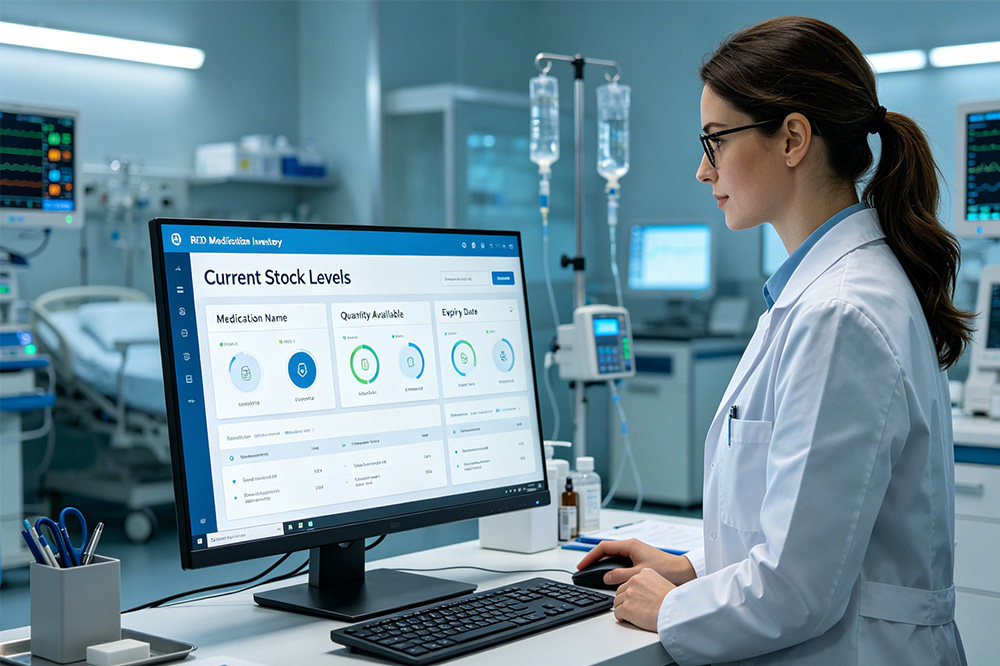
Instead of relying on manual counts and repeated scanning, RFID gives hospitals a way to track medication inventory automatically and in real time. Pharmacy teams can see what inventory is available, where it was moved, and what needs replenishment without stopping operations to perform constant manual checks.
Why Hospitals Struggle With Medication Inventory
Medication inventory sounds straightforward on paper, but in reality, it becomes messy very quickly.
Different departments use medications at different speeds. Emergency rooms may suddenly consume large quantities of critical drugs overnight. Surgical departments often keep expensive medications on standby. Controlled substances require tighter tracking and documentation. At the same time, pharmacy staff are already dealing with staffing pressure and compliance requirements.
This creates several common problems:
Expired medications sitting unnoticed in storage
Missing inventory that takes hours to trace
Overstocking certain drugs “just in case”
Shortages caused by inaccurate counts
Manual audits eating up staff time
Difficulty tracking high-value medications
The bigger the hospital gets, the harder these issues become to manage manually.
What Changes When RFID Is Added
RFID works differently from traditional barcode systems.
Instead of scanning medications one at a time, RFID readers can detect multiple tagged items automatically, even when they’re inside cabinets, trays, or carts.
Once medications are tagged, the system can track movement throughout the hospital. Inventory updates happen automatically whenever medications are added, removed, or relocated.
That means pharmacy teams spend less time counting inventory and more time handling actual pharmacy work.
In practice, RFID helps hospitals answer questions much faster:
What medications are currently available?
Which items are close to expiration?
Which department used the inventory?
What needs restocking today?
Where was the medication last moved?
Without automation, answering those questions often takes phone calls, spreadsheet checks, or physical searches.
Less Time Spent on Manual Counts
One of the first things hospitals notice after implementing RFID is how much time disappears from routine inventory work.
Manual medication counts are repetitive and slow. Staff may need to stop what they’re doing just to verify inventory levels or prepare for audits.
RFID reduces a lot of that workload because inventory updates happen automatically in the background.
Instead of walking shelf by shelf with a scanner, pharmacy teams can check inventory status from the system dashboard and focus attention only where discrepancies appear.
For hospitals already operating with lean staffing, this can make a noticeable difference.
Expired Medications Become Easier to Catch
Expired inventory is a constant issue in healthcare, especially for medications with short shelf lives or irregular usage patterns.
Without good tracking, products can easily get buried behind newer stock or remain untouched in low-traffic departments.
RFID systems help by continuously monitoring inventory and flagging medications approaching expiration dates.
This allows staff to:
Rotate stock earlier
Move medications between departments before they expire
Avoid unnecessary emergency purchasing
Reduce wasted inventory
Over time, hospitals gain a clearer picture of actual medication usage instead of relying on estimates.
Faster Access During Emergencies
In emergency situations, nobody wants staff searching through cabinets looking for medications.
RFID helps hospitals locate inventory quickly because the system already knows where tagged items are stored.
This becomes especially useful for:
Emergency crash carts
Operating rooms
ICU medication storage
Trauma departments
High-value emergency medications
When inventory visibility improves, staff spend less time searching and more time responding.
Better Control Over High-Value Medications
Some medications require tighter oversight because they’re expensive, highly regulated, or vulnerable to diversion.
RFID creates an automatic activity record whenever inventory moves through the system. Hospitals can see when medications were accessed, where they were transferred, and what inventory remains available.
That extra visibility helps reduce inventory discrepancies and improves accountability without adding more paperwork.
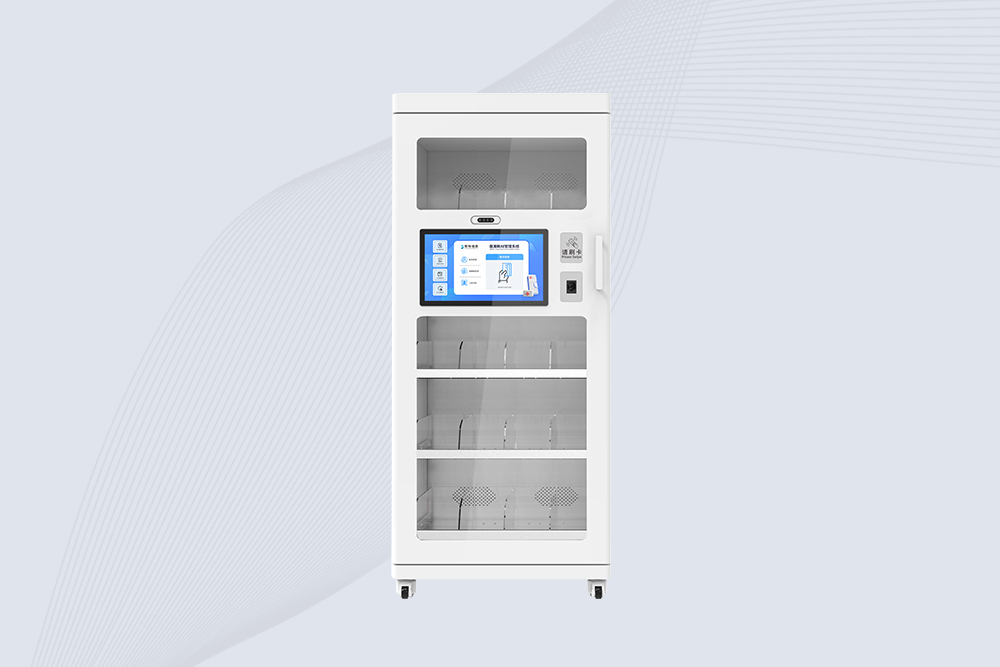
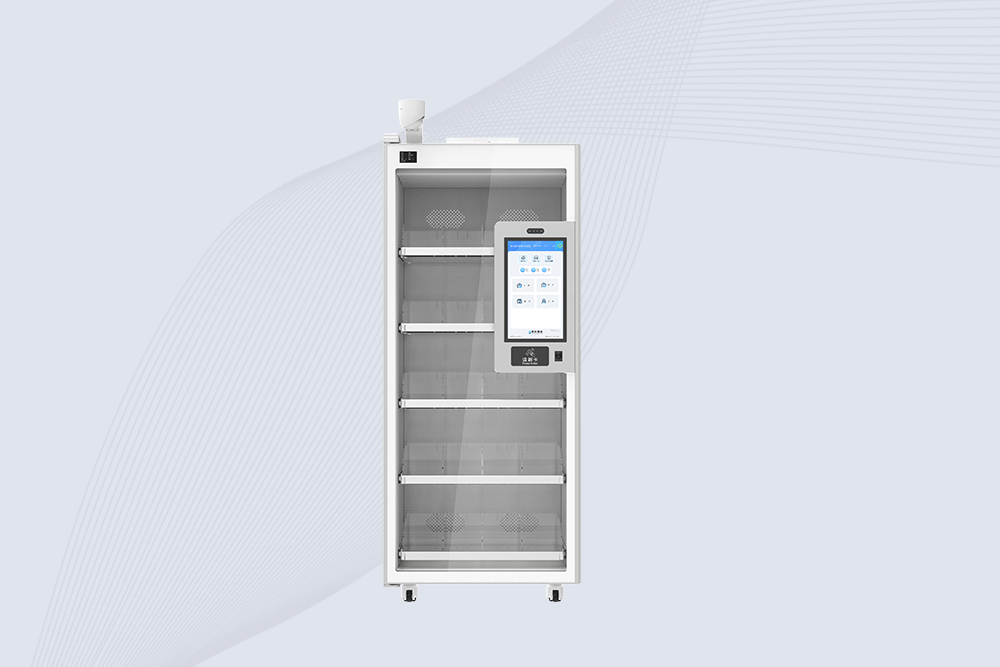
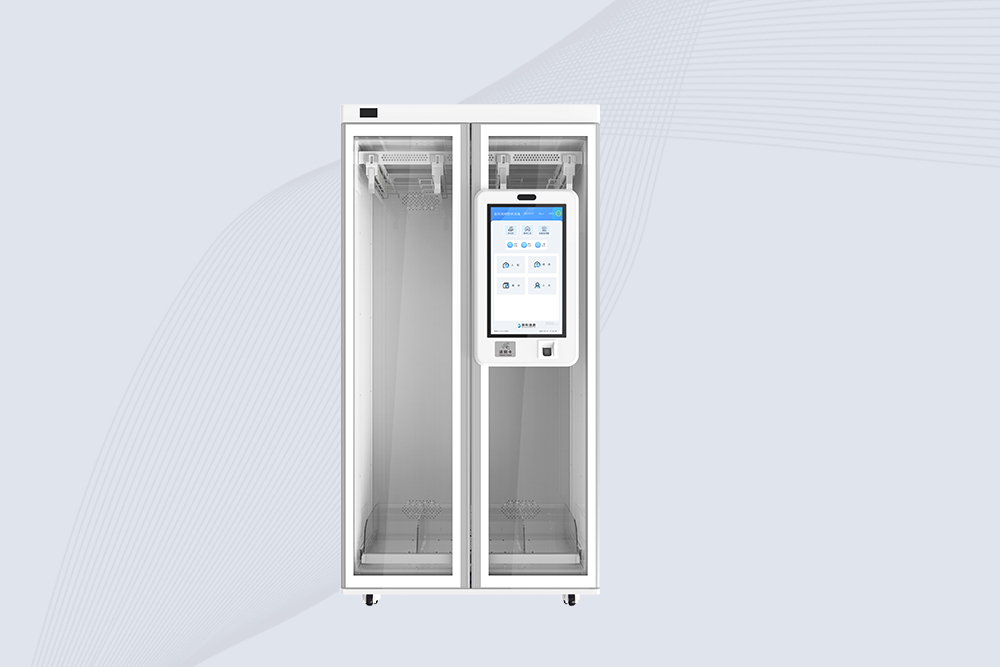
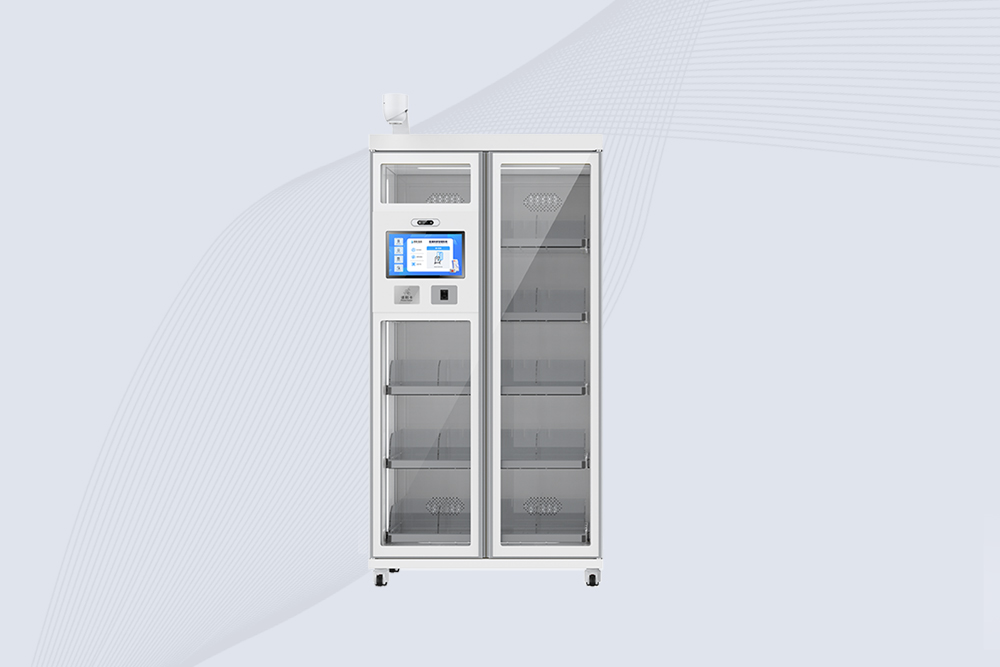
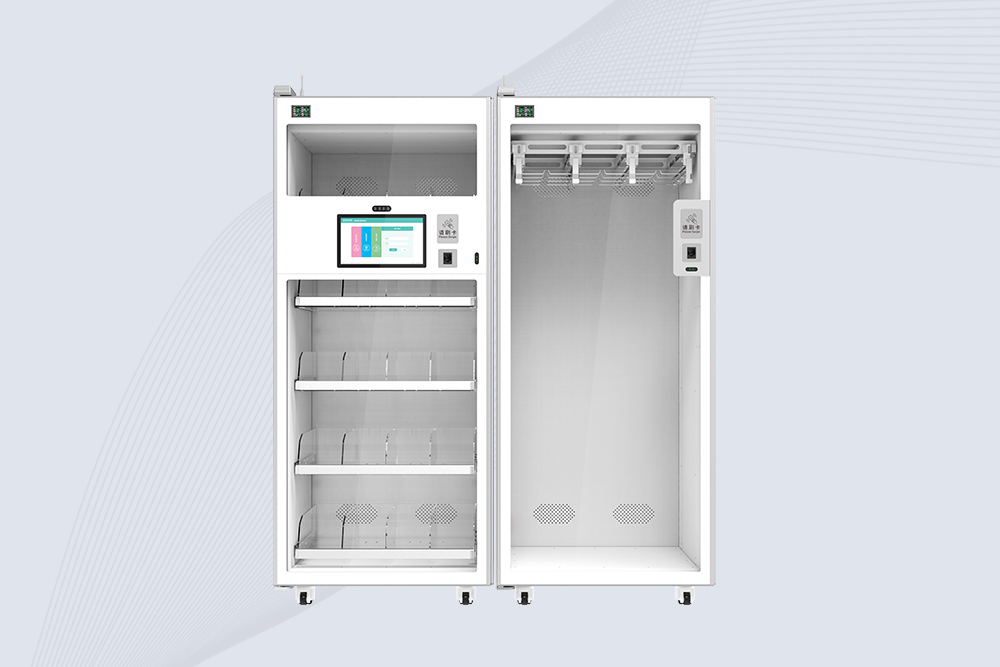
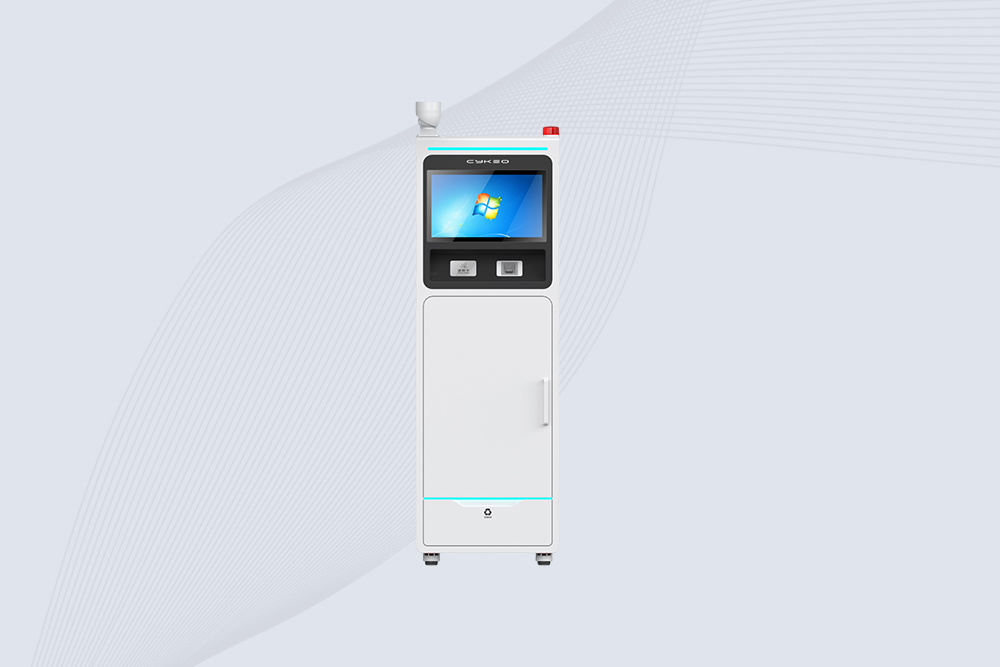
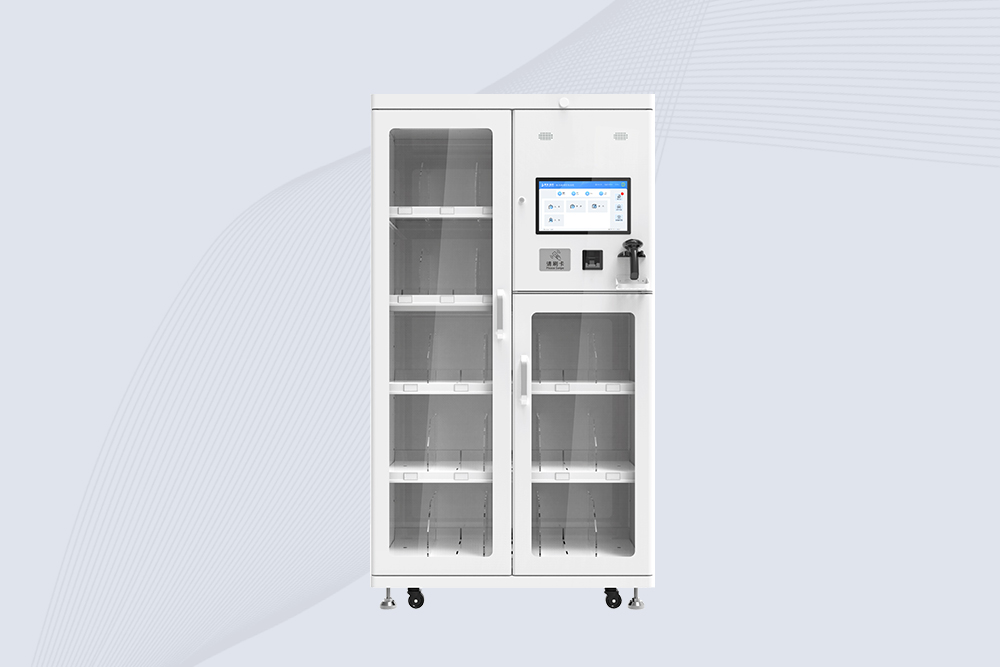
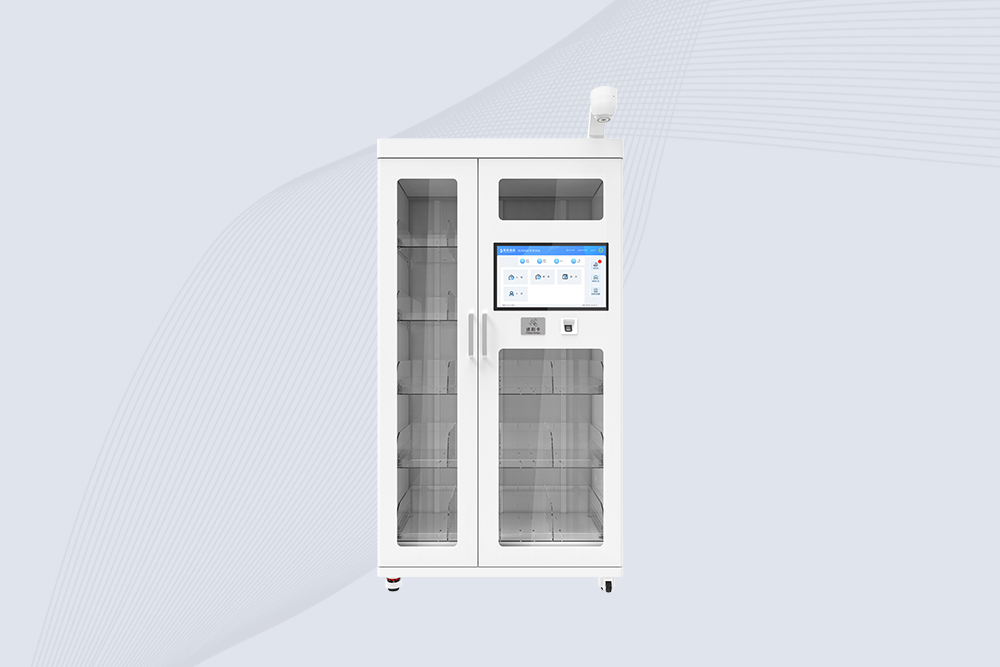
Many hospitals also combine RFID tracking with secure storage systems like the RFID Medical Cbinet to simplify medication management even further.
These cabinets automatically detect medication movement in real time, reducing the need for manual logging.
Pharmacy Staff Don’t Need More Administrative Work
One thing healthcare workers usually dislike is technology that creates extra steps.
That’s why RFID adoption tends to work best when it removes repetitive work instead of adding new processes.
When implemented properly, RFID operates quietly in the background. Staff don’t need to manually update spreadsheets or constantly verify counts because the system is already collecting inventory data automatically.
The goal isn’t replacing pharmacy staff. It’s reducing the amount of time they spend dealing with inventory headaches.
RFID Also Helps With Inventory Planning
Hospitals often struggle with balancing inventory levels.
Keeping too much stock increases waste and storage costs. Keeping too little creates risk during emergencies or supply shortages.
RFID gives hospitals more accurate usage data over time, making inventory planning more realistic.
Instead of guessing demand patterns, pharmacy teams can see:
Which medications move fastest
Which departments consume the most stock
Which products frequently expire unused
How inventory changes during peak periods
That information helps hospitals make smarter purchasing decisions.
Some hospitals start with high-value medications or critical departments first before expanding system-wide.
That phased approach often makes implementation smoother.
Final Thoughts
Medication inventory management has always been one of the harder operational challenges in healthcare. There are too many moving parts, too many departments, and too much pressure to rely entirely on manual tracking.
RFID helps hospitals simplify that process.
By giving pharmacy teams real-time inventory visibility, reducing manual counting, improving expiration tracking, and helping locate medications faster, RFID makes day-to-day inventory management far more manageable.
For hospitals trying to improve efficiency without creating more administrative work for staff, RFID is becoming a practical tool rather than just another healthcare technology trend.
Cykeo’s smart medical cabinet RFID features 21.5″ touchscreen & 99.9% accuracy for OR instrument tracking. Modular shelves for 500+ items. HIPAA compliant. Request demo.
Cykeo’s UHF RFID hospital asset cabinet features dual-door security, antibacterial coating & 99.9% accuracy for OR implants. ISO 13485 compliant. Tracks 2000+ items.
Cykeo medical RFID medicine cabinet features ≤5cm drug tracking, real-time HIS sync, military security, and USP-compliant climate control for Schedule II drugs.
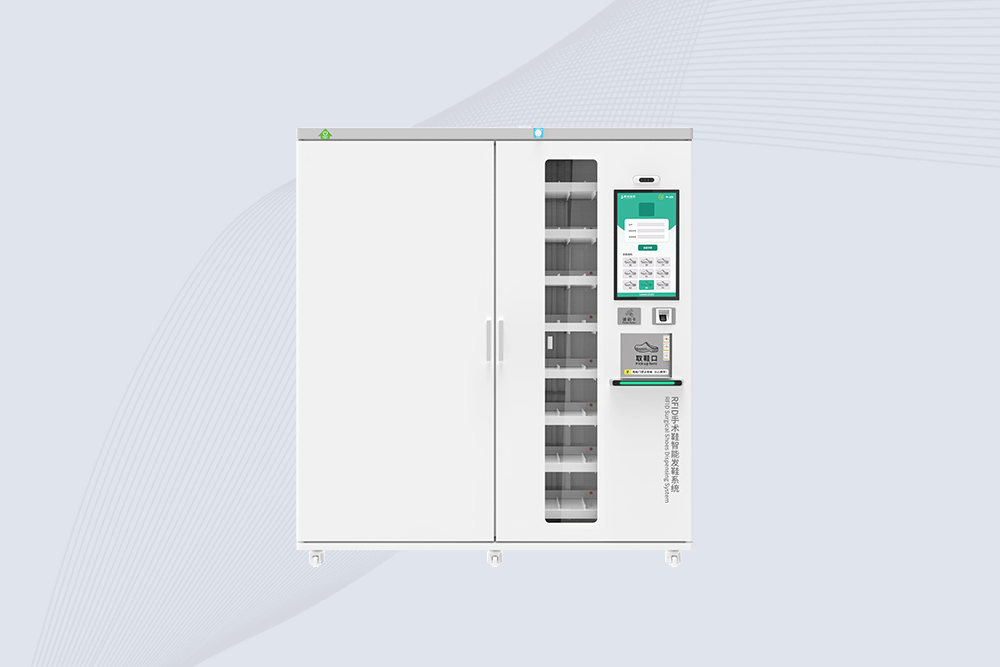
Cykeo RFID operating room cabinet features ≤55s shoe delivery, UHF RFID inventory control, ISO 13485 certification, and biometric access for OR workflow optimization.
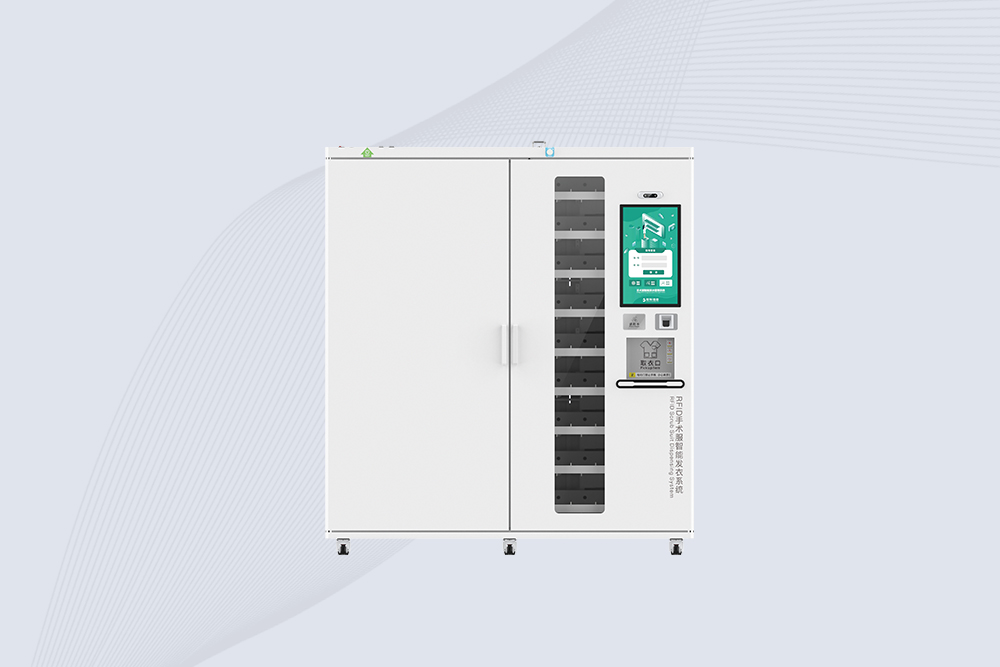
Cykeo operating room RFID cabinet features 108-gown capacity, UHF RFID tracking, real-time SPD integration, and biometric access for sterile OR management.
Cykeo’s low-value consumables cabinet offers 5-tier storage, HIPAA encryption, FDA compliance, and SAP integration for hospitals/clinics. Reduces stockouts by 70%.
Cykeo’s RFID high-value consumables cabinet offers 500-implant capacity, FDA compliance, real-time Epic sync, and theft prevention for ORs/surgery centers.
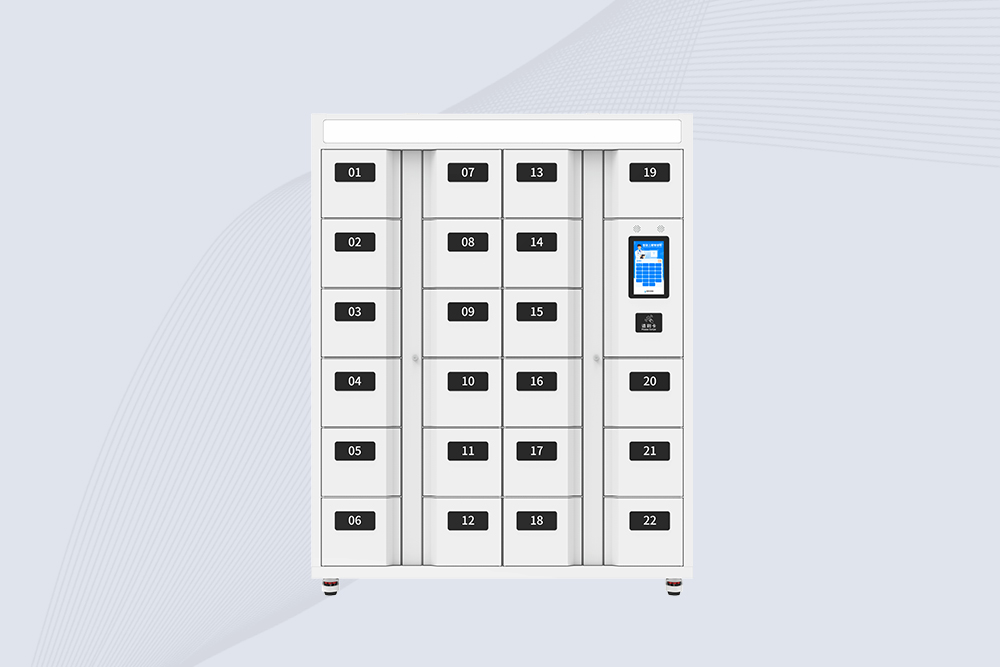
Cykeo CYKEO-G2224 rfid linen management cabinet features modular lockers, 10.1″ Android screen, and 200+/sec scanning for hospitals/hotels. SAP/Oracle integration.
RFID surgical instrument tracking helps hospitals reduce lost tools, improve OR efficiency, and ensure compliance. See how CYKEO delivers real results.
Learn how RFID readers simplify warehouse inventory, stock counting, pallet tracking and item identification. Compare fixed and handheld RFID readers for war...
Discover why UHF RFID readers dominate industrial applications—long-range scans, high-speed data capture, and rugged reliability. Explore Cykeo’s role in this transformation.
Discover the pros and cons of RFID readers and GPS systems for real-time asset tracking. Learn why Cykeo’s RFID solutions offer cost-effective accuracy for warehouses, healthcare, and logistics.
 Cykeo RFID IoT Solution Products R&D Manufacturer