Why is Everyone Talking About Asset Management RFID Tracking?
In most companies, assets are one of those things that sound simple but turn into a nightmare once you actually try to manage them. Laptops, tools, medical devices, even pallets in a warehouse… half the time you can’t find them when you need them, and when audit time comes, the numbers are all over the place. I’ve been there—inventory days always felt like going into battle.
When I first tried asset management RFID tracking, I realized it wasn’t just another buzzword. Compared to barcodes, RFID tags feel like tiny chips that “speak” for your assets. Walk past a reader, and the system just knows what’s there—no need to scan one by one. The most obvious benefit? Inventory checks became insanely fast, and we missed way fewer items.
How Does It Actually Work?
Don’t let “RFID” scare you—it’s pretty straightforward:
Tags – stick them on your items, each tag holds ID info.
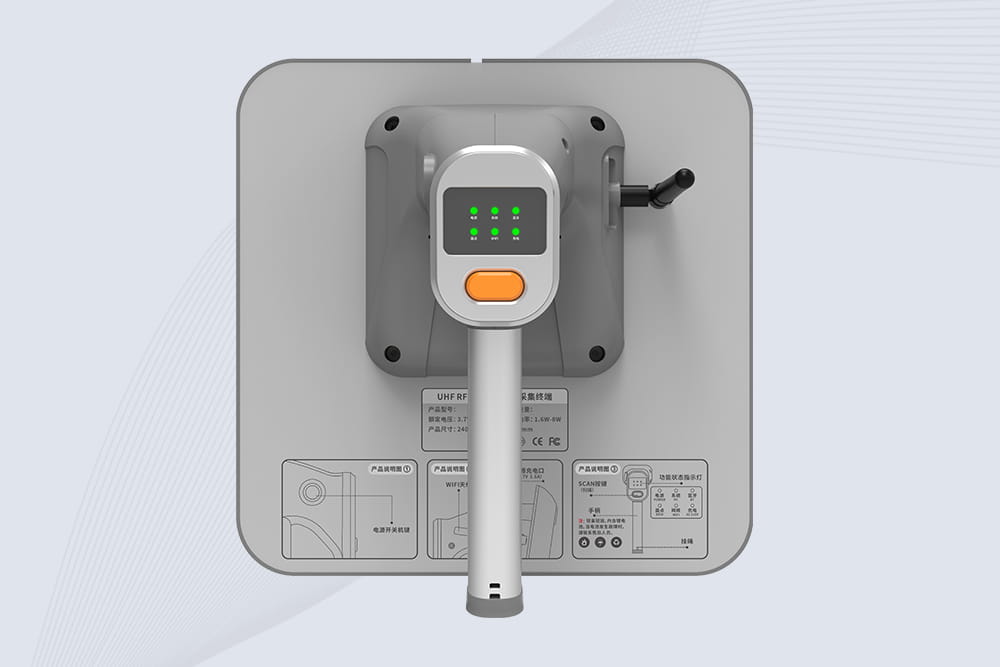
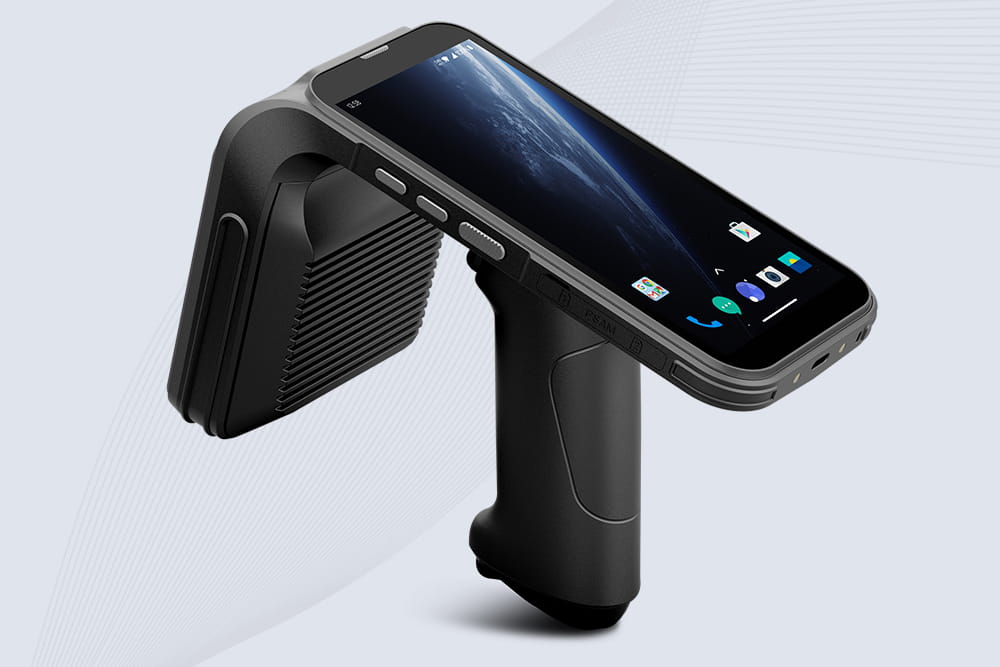
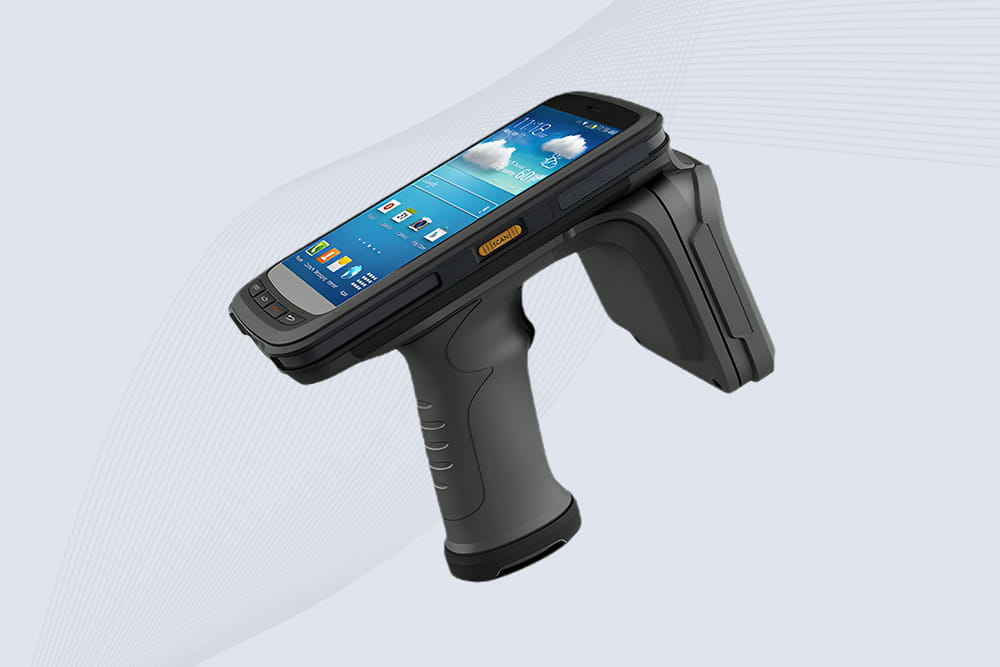
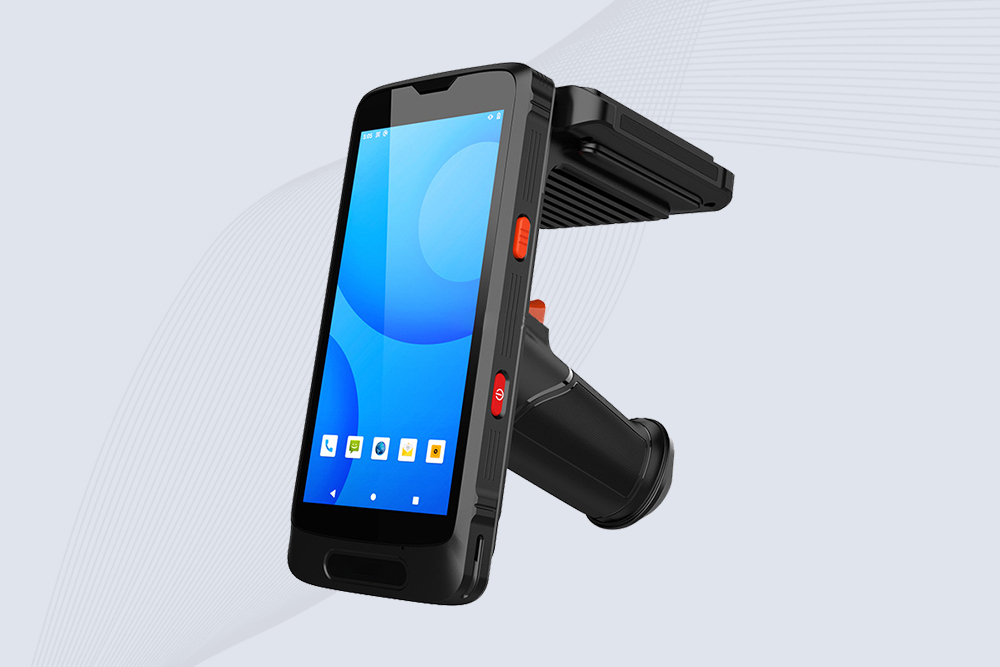
Readers – installed at doors, warehouse gates, or handheld. They “listen” for the tags.
Backend system – matches the data, shows you location, status, even the movement history.
I tried this in a warehouse once. We tagged a bunch of boxes, rolled them past the reader, and instantly the dashboard lit up with data. That moment when you actually know where things are in real time—it’s a game changer.
Real-World Use Cases
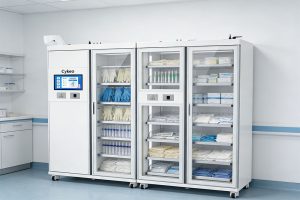
Hospitals: track medical devices so staff don’t waste time hunting.
Factories: no more manual check-in/out for parts.
Schools or offices: laptops, projectors, all covered, fewer “lost” reports.
Sounds like marketing fluff, but honestly, I’ve seen it firsthand. Even a small pilot project with RFID makes the difference very clear.
The Sweet Spots and the Pitfalls
Of course, asset management RFID tracking isn’t magic.
Upside: speed, accuracy, visibility.
Downside: signals get messy around metal and liquids. We tested near steel racks—half the tags just wouldn’t read.
Cost: passive tags are cheap but short-range; active tags have batteries, stronger range, but pricey.
My little tip? Start small. Test in one warehouse, or with one category of assets. It’s the easiest way to figure out signal coverage, reader placement, and whether tags can survive the environment. Rolling it out everywhere from day one is risky and expensive.
Where It’s Heading (Personal Take)
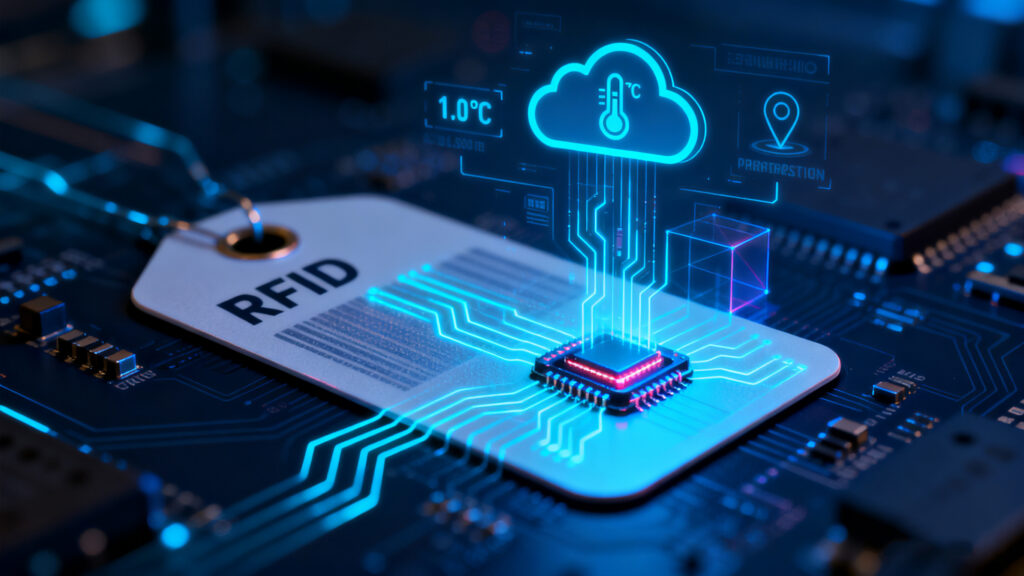
RFID is moving beyond just “where is my stuff.” More tags are coming with sensors, tracking things like temperature and humidity. Combine that with IoT and cloud platforms, and the future isn’t just about knowing where something is—it’s about predicting when it needs maintenance or when it’s at risk.
For high-value equipment, that’s gold. Preventing failure before it happens saves more than just money—it saves headaches.
See how the Cykeo CK-GY2B RFID medical storage cabinet helps hospitals manage medical supplies more accurately, reduce loss, and simplify daily inventory work with real-time tracking.
Learn how industrial-grade fixed RFID readers withstand extreme temperatures, dust, moisture, and vibrations in factories, mines, and outdoor settings.
Discover how fixed RFID readers enhance manufacturing efficiency. Learn key benefits like real-time tracking, reduced downtime, and improved asset management.
 Cykeo RFID IoT Solution Products R&D Manufacturer