 Cykeo RFID IoT Solution Products R&D Manufacturer
RFID signage system market size and share forecast 2025-2035
49The RFID signage system market is projected to grow rapidly from 2025 to 2035. This report analyzes market size, CAGR, key segments, regional trends, and drivers.
MoreAll RFID Product
I. Market Trends of Airport RFID Systems
The airport RFID systems market is currently undergoing a transformation, driven by technological advancements and the growing demand for efficient airport operations. The integration of Radio Frequency Identification (RFID) systems enhances the tracking of baggage, cargo, and passenger movement, thereby streamlining processes and improving overall security. As airports strive to improve customer experience and operational efficiency, the adoption of RFID technology appears to be a strategic priority. This trend is also fueled by the increasing emphasis on automation and data analytics, technologies crucial for optimizing airport management and resource allocation. Furthermore, the airport RFID systems market is expected to see a surge in investment as stakeholders recognize the potential benefits of implementing these systems. Enhanced visibility and real-time data access can reduce operating costs and improve service quality. In addition, the aviation industry’s growing focus on sustainability is likely to drive the adoption of RFID solutions, as they help reduce waste and improve resource utilization. Overall, the airport RFID systems market is poised for significant growth, reflecting the ongoing evolution of the aviation industry and the need for innovative solutions to address emerging challenges.
1.Increased Operational Automation
The trend towards airport operational automation is accelerating, with RFID systems facilitating seamless tracking and management of assets. This shift not only improves efficiency but also reduces human error, thereby enhancing service quality.
2.Enhanced Security Measures
With rising concerns about aviation security, the airport RFID system market is expected to see increased adoption of RFID technology. These systems offer robust tracking capabilities, ensuring effective monitoring of baggage and cargo throughout their journey.
3.Focus on Sustainability
The aviation industry’s increasing emphasis on sustainable practices is influencing the airport RFID system market. RFID solutions contribute to resource optimization and waste reduction, aligning with the industry’s commitment to environmental responsibility.
II. Market Drivers for Airport RFID Systems
1.Enhanced Data Analytics Capabilities
The airport RFID systems market is benefiting from the enhanced data analytics capabilities offered by RFID technology. By utilizing RFID systems, airports can collect and analyze vast amounts of data related to passenger flow, baggage handling, and operational efficiency. This data-driven approach enables airports to make informed decisions, optimize resource allocation, and improve overall service quality. As the aviation industry increasingly relies on data analytics for strategic planning, the demand for RFID systems is expected to continue to grow. This trend indicates a shift towards smarter airport operations, further driving the development of the airport RFID systems market.
2.Growing Demand for Contactless Solutions
The airport RFID systems market is experiencing a growing demand for contactless solutions, primarily due to increased hygiene and safety requirements in airport operations. RFID technology enables contactless check-in and boarding processes, minimizing physical interaction between passengers and airport staff. As travelers prioritize safety and convenience, this shift towards contactless solutions is becoming increasingly important. Market analysis indicates that the contactless technology segment within the airport RFID systems market may achieve a growth rate of approximately 20% in the coming years. This trend highlights the evolving passenger preferences, which airports must adapt to.
3.Improved Baggage Handling Efficiency
Demand for improved efficiency in baggage handling processes is surging in the airport RFID system market. RFID technology enables real-time baggage tracking, significantly reducing the risk of lost or mishandled baggage. According to the latest data, airports implementing RFID systems report baggage handling error rates reduced by up to 25%. This efficiency not only improves passenger satisfaction but also simplifies airport operations, resulting in cost savings. As airlines and airports continue to prioritize operational efficiency, the adoption of RFID systems is expected to grow, further driving the airport RFID system market.
4.Integration with Smart Airport Projects
The airport RFID system market is being driven by the integration of RFID technology into smart airport projects. Airports are increasingly adopting smart technologies to enhance passenger experience and operational efficiency. RFID systems facilitate seamless check-in processes, automated baggage tracking, and real-time information sharing. This integration aligns with the broader trend of digital transformation in the aviation industry. With airports investing in smart technologies, demand for RFID solutions is expected to rise, with the market projected to grow at an annual rate exceeding 15%. This trend indicates a bright future for the airport RFID system market.
5.Regulatory Compliance and Security Standards
The airport RFID system market is influenced by stringent compliance and security standards from aviation authorities. These regulations typically require the use of advanced tracking systems to ensure the safety and security of passengers and cargo. RFID technology offers a reliable solution for meeting these compliance requirements because it can accurately track and monitor baggage and cargo. As regulators continue to emphasize security, the adoption of RFID systems is expected to increase, driving the growth of the airport RFID systems market. This trend highlights the crucial role of compliance in shaping market dynamics.
II. Market Segmentation Insights
1、By application category: Baggage tracking (largest) and asset tracking (fastest growing).
In the airport RFID systems market, application segments are diverse across value propositions, with baggage tracking being the largest contributor. Its importance lies in enhancing airport security, efficiency, and passenger satisfaction, making it an indispensable component. While asset tracking is smaller in scale, it is rapidly gaining attention as airports strive to effectively monitor and manage equipment and resources. The growth of this segment reflects the increasing emphasis on operational efficiency and asset management in modern aviation.
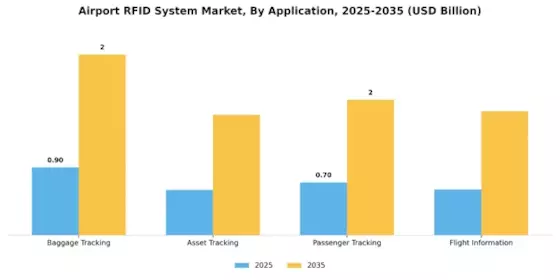
Baggage tracking is the dominant application in the airport RFID system market, playing a crucial role in reducing lost baggage incidents and improving turnaround times. As airlines and airports increasingly adopt RFID technology for baggage tracking, this segment is improving overall operational efficiency and customer experience. On the other hand, asset tracking is emerging as a key application, focusing on real-time monitoring of airport assets and equipment. This growing interest stems from the need for better resource allocation, maintenance management, and operational visibility, thereby optimizing airport operations and achieving greater cost savings.
2、By component: RFID tags (largest) and RFID readers (fastest growing).
In the airport RFID systems market, the market share distribution of various components highlights the significant role of RFID tags, which hold the largest share and play a crucial role in asset tracking and inventory management. Although RFID readers have a smaller market share, RFID has become the fastest-growing component as airports increasingly adopt automated systems to improve operational efficiency. This growing reliance on these technologies indicates a shift towards advanced tracking solutions that significantly improve asset visibility and management capabilities. As airports continue to modernize their operations, the demand for efficient component solutions is rising. RFID readers are rapidly gaining popularity due to their critical role in data collection and real-time processing. The emergence of RFID middleware as a core component also supports the growth of this segment by enabling seamless communication between devices and optimizing data management. The commitment to improving passenger experience and operational efficiency is driving this evolution in the airport RFID systems market.
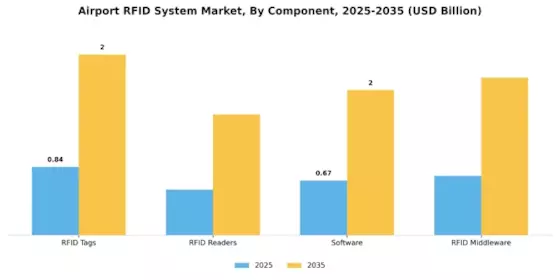
RFID tags are the dominant component of the airport RFID systems market, fundamentally facilitating asset tracking, baggage handling, and improving operational efficiency. Their widespread use ensures resource visibility and significantly reduces loss and delays. On the other hand, software is emerging as a key but evolving component, integrating and analyzing data collected through RFID technology. Its role is growing as more airports recognize the need for advanced data analytics to improve performance and generate actionable insights. The evolution from traditional systems to more sophisticated software solutions can significantly simplify airport operations. The interoperability between RFID tags and software builds a robust infrastructure that enhances the overall functionality and value of airport operations.
3、By end-use: Airports (largest) and airlines (fastest growing)
Airports constitute the largest segment of the airport RFID systems market, accounting for a significant share of overall market demand. This is primarily due to the increasing prevalence of RFID technology in improving baggage tracking, asset management, and overall operational efficiency. While airlines currently represent a smaller share, they are rapidly adopting RFID solutions to streamline operations and enhance the passenger experience, suggesting this trend may reshape the market landscape in the coming years.
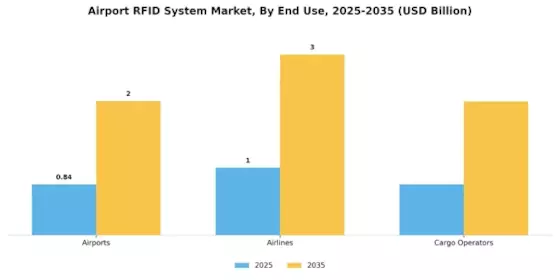
Airports are the dominant sector in the airport RFID systems market, leveraging RFID technology for efficient baggage handling, security screening, and passenger flow management. Their mature infrastructure and extensive operations create strong demand for robust RFID systems to reduce delays and operational issues. Conversely, airlines are an emerging sector, increasingly integrating RFID solutions into their operations. They are focused on improving customer experience and operational efficiency, using RFID technology to enhance baggage tracking, inventory management, and personnel security. This segment’s growth is driven by increasing passenger numbers and the need for better logistics, making it an attractive area for technology investment.
4、Classified by technology: Active RFID (largest) and Passive RFID (fastest growing).
The airport RFID systems market showcases a diverse range of technology segments, with active RFID leading the way. Featuring battery-powered tags, this technology offers superior real-time tracking capabilities, crucial for airport operations. Passive RFID, on the other hand, is rapidly gaining attention as airlines and airport authorities seek cost-effective and scalable baggage tracking and inventory management solutions. Its ability to operate with minimal infrastructure and low cost makes it an attractive option for many players in the market. The growth trend in the airport RFID systems market highlights the increasing adoption of both active and passive RFID technologies. Airports are investing in modern tracking systems to improve operational efficiency and enhance the passenger experience. The growing demand for efficient baggage handling solutions and the integration of RFID with Internet of Things (IoT) technologies are key drivers of growth in these segments. With innovations such as tag design and advanced software solutions complementing these technologies, the market is expected to see significant progress in the coming years.
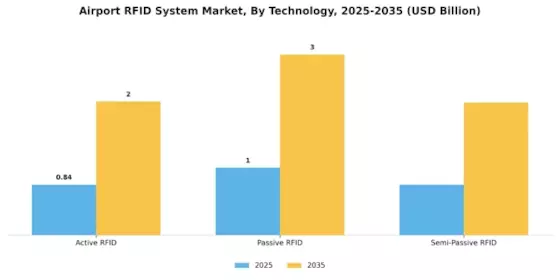
Active RFID technology dominates the airport RFID systems market, renowned for its reliability and wide range. Equipped with battery-powered tags, these tags periodically transmit signals, enabling real-time, accurate tracking of assets, baggage, and personnel within the airport environment. These capabilities enhance operational transparency and reduce the likelihood of lost baggage. In contrast, passive RFID technology is emerging as a popular alternative, known for its low cost and ease of integration. It comprises tags that rely on RFID reader signals for activation, allowing airports to implement RFID solutions without large-scale infrastructure investments. Its market position is becoming increasingly important as more airports adopt passive RFID for inventory and baggage tracking.
III. Regional Insights
North America leads the market with a significant valuation of $1.1 billion and is expected to dominate, benefiting from higher technology adoption and the presence of major airport operators. Europe follows closely behind at $800 million, benefiting from stringent security regulations and increasing passenger traffic.
The Asia-Pacific region, valued at $500 million, is rapidly emerging, driven by increased airport modernization initiatives and growth in air travel.
South America, valued at $10 million, shows growth potential due to increased investment in airport infrastructure, although it remains the least dominant region. The Midwest, valued at $70 million, possesses a niche market with opportunities to improve operational efficiency, but its overall influence is limited compared to other regions.
This dynamic contributes to the diverse statistics in the airport RFID systems market, with North America and Europe accounting for the majority, demonstrating their key role in shaping the market data and growth trajectory.
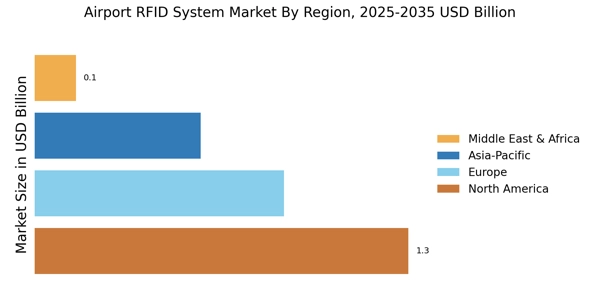
Sources: Primary research, secondary research, market research, Future Database, and analyst reviews
IV. Airport RFID System Market Summary
Cykeo, based on market research and future analysis, the airport RFID system market size is estimated at US$2.808 billion in 2024. The airport RFID system industry is projected to grow from US$3.069 billion in 2025 to US$7.446 billion in 2035, representing a CAGR of 9.27% from 2025 to 2035.
1、Key Market Trends and Highlights
The airport RFID systems market is expected to see significant growth, driven by increased automation and security.
2、Airport RFID System Market
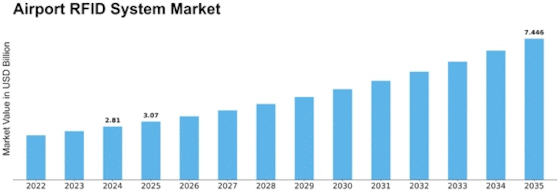
3、Market Size and Forecast
| Market Size in 2024 | US$28.08 billion (billion USD) |
| Market Size in 2035 | US$744.6 billion (billion USD) |
| CAGR (2025 – 2035) | 9.27% |
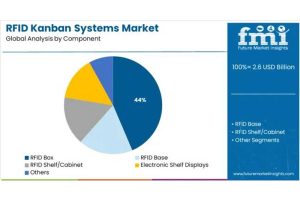
The RFID signage system market is projected to grow rapidly from 2025 to 2035. This report analyzes market size, CAGR, key segments, regional trends, and drivers.
More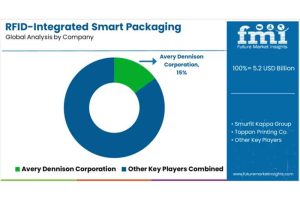
RFID-integrated smart packaging market forecast from 2025 to 2035, covering market size, CAGR, technology trends, applications, and regional growth insights.
More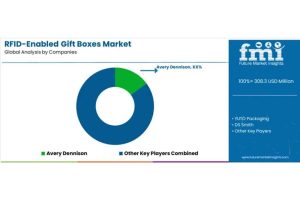
The global RFID-enabled gift box market is projected to grow from USD 308.3 million in 2026 to USD 480.7 million by 2036 at a 4.5% CAGR. Explore market outlook, application demand, product types, country-level growth, and key packaging companies s...
More
An in-depth analysis of the global RFID market from 2024 to 2031, covering technology evolution, market structure, passive vs active RFID, and real-world adoption trends.
More