 Cykeo RFID IoT Solution Products R&D Manufacturer
Mobile robots: Zebra is gone, Qualcomm is here.
183RFID signage system market insights on how robotics, AMRs, and physical AI are reshaping automation strategies, ecosystem competition, and industry dynamics worldwide.
MoreAll RFID Product
In late January 2026, Ghana issued a series of strong regulatory signals in multiple areas, including cybersecurity, road traffic, and freight transport regulation. From a concentrated crackdown on online fraud to the introduction of RFID identification systems on highways, and the proposed significant increase in fines for overloaded transport, a series of measures all point to the same goal—reducing regulatory loopholes and shrinking the space for illegal activities.
I. Ghana’s Cyber Security Agency, in conjunction with law enforcement agencies, arrested seven suspected fraudsters.
On January 27, 2026, Ghana’s Minister of Communications, Digital Technology and Innovation, Samuel Nati George, disclosed that the Ghana Cyber Security Agency, in conjunction with the police, recently conducted a special operation and successfully arrested seven suspects involved in online fraud. The cases involved various illegal activities such as SIM card box fraud, sexual extortion, mobile payment fraud, and impersonation.

The first round of operations took place in Sakumono, Greater Accra. Law enforcement officers conducted raids at three locations, dismantling a well-established SIM card box fraud ring and arresting three Nigerian suspects and one Ghanaian landlord. Investigations revealed that the ring had long been engaged in illegal telecommunications services, providing technical support for cross-border fraud.
Subsequently, a second round of operations was conducted in Wakpo, Volta District, resulting in the arrest of three more Ghanaian suspects. This group primarily impersonated high-ranking government officials, even impersonating the Minister of Communications, Digital Technology and Innovation, to defraud victims through sexual extortion and mobile payment schemes.
Currently, all seven suspects have been transferred to judicial authorities, and the case is proceeding according to law. Minister George stated that the government will continue to intensify its efforts to combat cybercrime, and relevant departments will not tolerate any form of online fraud.
II. Ghana’s DVLA will deploy RFID identification systems on highways to strengthen the monitoring of illegal vehicles.
Just one day before the cybersecurity operation was announced, the Ghana Drivers and Vehicles Licensing Authority announced a technological upgrade to the national vehicle management system, with the core measure being the introduction of RFID identification facilities on major highways to strengthen the monitoring of illegal vehicles.

DVLA CEO Julius Niquaye Kote stated that the equipment will be deployed on key sections of highways to automatically read vehicle information and compare it with the DVLA database. Once the system detects a vehicle that is not legally registered, has a forged license plate, or exhibits abnormal information, it will immediately send an alert to the command center, facilitating rapid intervention by law enforcement.
DVLA believes that relying on manual patrols is insufficient to cover vehicles traveling across regions. RFID identification can continuously monitor vehicle status without affecting traffic efficiency, thereby reducing the prolonged presence of illegal vehicles on the road.
III. Simultaneous Promotion of RFID License Plate and Toll Collection System
In addition to road identification systems, DVLA plans to introduce new license plates embedded with RFID chips. These plates will store vehicle registration information and owner-related data, working in conjunction with RFID equipment along highways.
According to the plan, the new license plates will be gradually rolled out by the end of 2026. During vehicle operation, the system will automatically read the license plate chip information and verify it against backend data to identify issues such as license plate cloning and misuse.
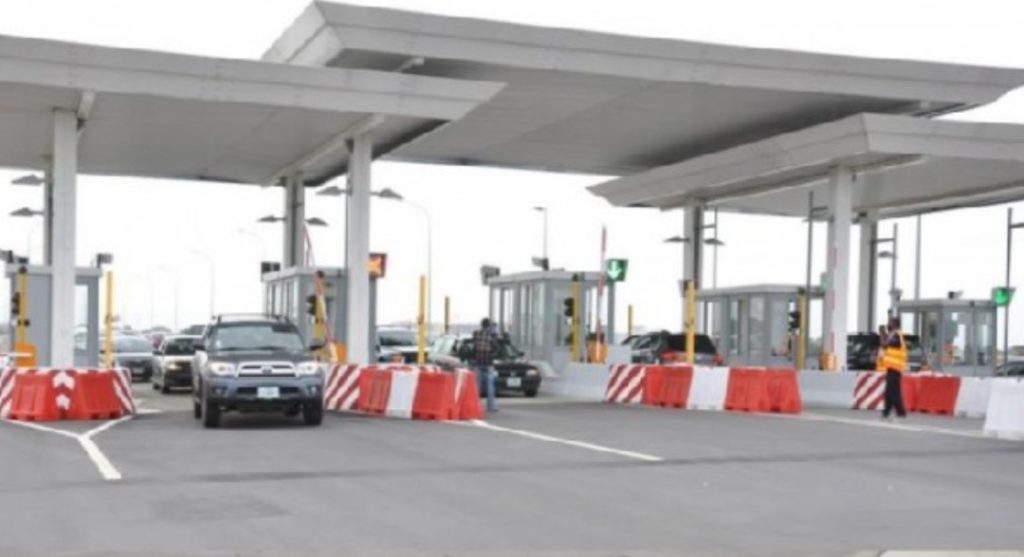
DVLA is also working with the Ghana Roads Authority to integrate the system and ensure that RFID identification can operate collaboratively with highway toll collection facilities. In the future, when vehicles pass through toll booths, the system can verify the vehicle’s legitimacy while settling the payment, allowing for simultaneous toll collection and supervision, preventing illegal vehicles from escaping supervision during the toll collection process.
IV. Existing vehicles need to have their information updated to ensure data consistency.
To ensure the new system covers all vehicles, the DVLA requires vehicles registered before 2023 to complete their information updates. Owners must pay a 25-cedi fee and bring their vehicle and relevant documentation to a designated location for verification.
The verification includes a physical inspection of the vehicle, confirmation of registration documents, review of import certificates, and owner identification. Upon completion, the owner will receive a vehicle ownership certificate and an electronic registration card. The DVLA states that the electronic registration card will become one of the important credentials for legal vehicle passage.
Furthermore, the DVLA clarifies that vehicles will need to undergo information verification every two years to reduce management risks associated with outdated data.
V. The government plans to significantly increase fines for overloading, and repeat offenders may face vehicle confiscation.
While upgrading vehicle monitoring technology, the Ghanaian government is also working to strengthen penalties for freight overloading. On January 26, 2026, Minister of Roads and Highways Gofuens Kwame Agboza stated in an interview with GTV that the government is revising relevant regulations and plans to increase the maximum fine for overloaded trucks from 5,000 cedis to 50,000 cedis.
Agboza pointed out that the current fines are no longer effective in deterring violations. Some transport companies view fines as an affordable cost and continue to overload their vehicles, while road repair costs have long been borne by public funds.
In addition to raising the maximum fine, the government is also studying stricter measures for repeat offenders, including vehicle confiscation. Relevant departments believe that only by significantly increasing the cost of violations can overloading be fundamentally reduced.
The Ministry of Roads and Highways emphasized that overloading is a major cause of premature road damage, shortening road lifespan and increasing long-term maintenance costs. By strengthening penalties, the government hopes to regulate the freight transport industry and alleviate the pressure on infrastructure maintenance.
View the latest “RFID Industry Dynamics” here.

RFID signage system market insights on how robotics, AMRs, and physical AI are reshaping automation strategies, ecosystem competition, and industry dynamics worldwide.
More
RFID signage system market sees a milestone as Laxcen Technology becomes the only Chinese company ranked in the global top ten for RFID competitiveness.
More
RFID smart laundry project launches in Changyang Cold Chain Logistics Park, bringing medical textile traceability, automated washing control, and smarter logistics services.
More
MIT researchers developed a biodegradable RFID capsule that records actual medication intake after swallowing. This article explains the SAFARI system, its material design, clinical use cases, and how it can integrate with RFID smart medicine cabi...
More