 Cykeo RFID IoT Solution Products R&D Manufacturer





Submit your request to us
We will contact you as soon as possible.
All RFID Product
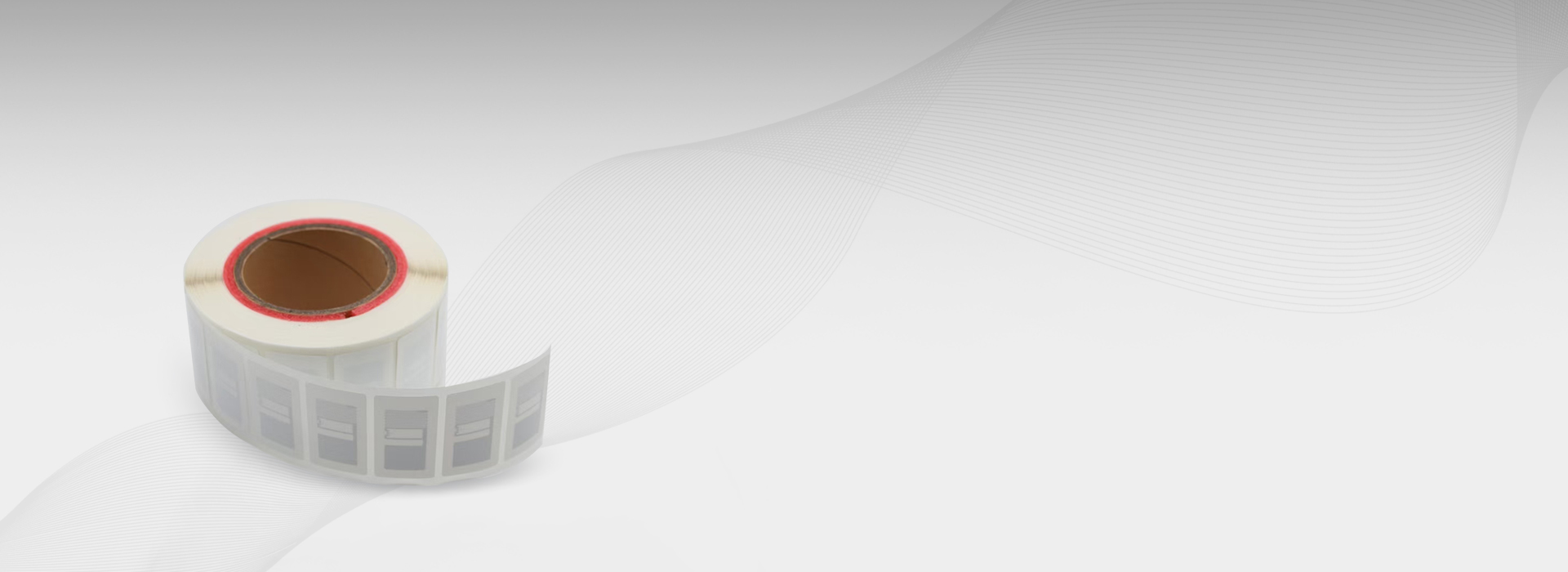
CK-BQ5530
RFID Tags in Hospitals
Autoclavable RFID tags are designed for aseptic workflows and precise control.
✔️Handles autoclave sterilization up to 121 °C
✔️ ISO-aligned quality process, medical-grade materials
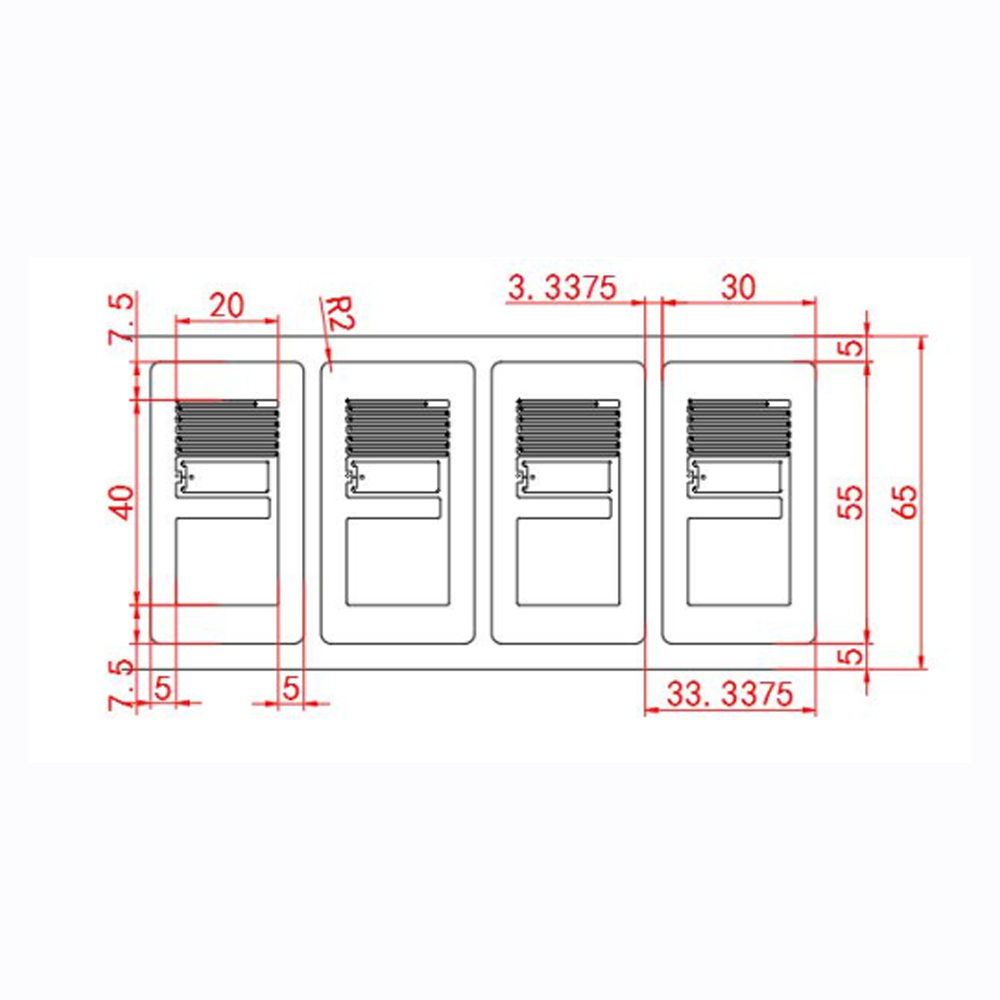
✔️ Tight ±0.2 mm placement for trays and implants
Track it. Sterilize it. Count on it.
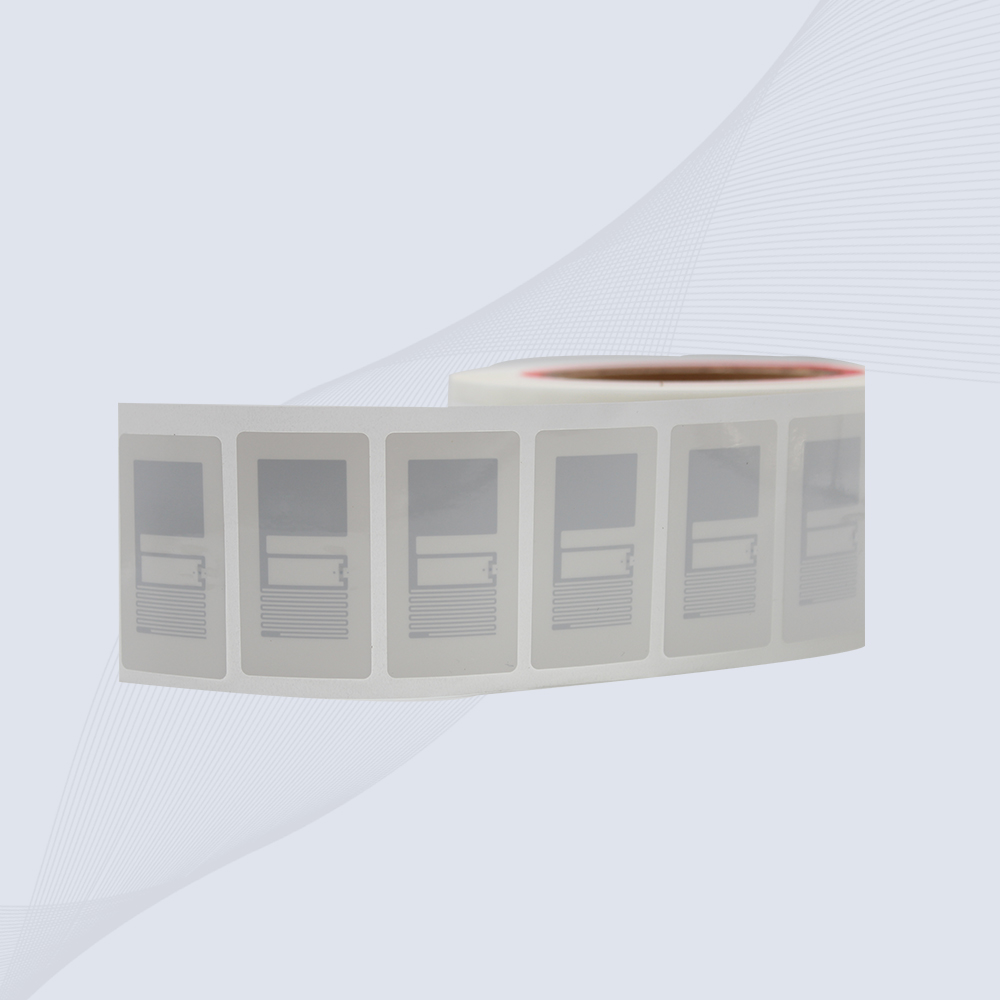
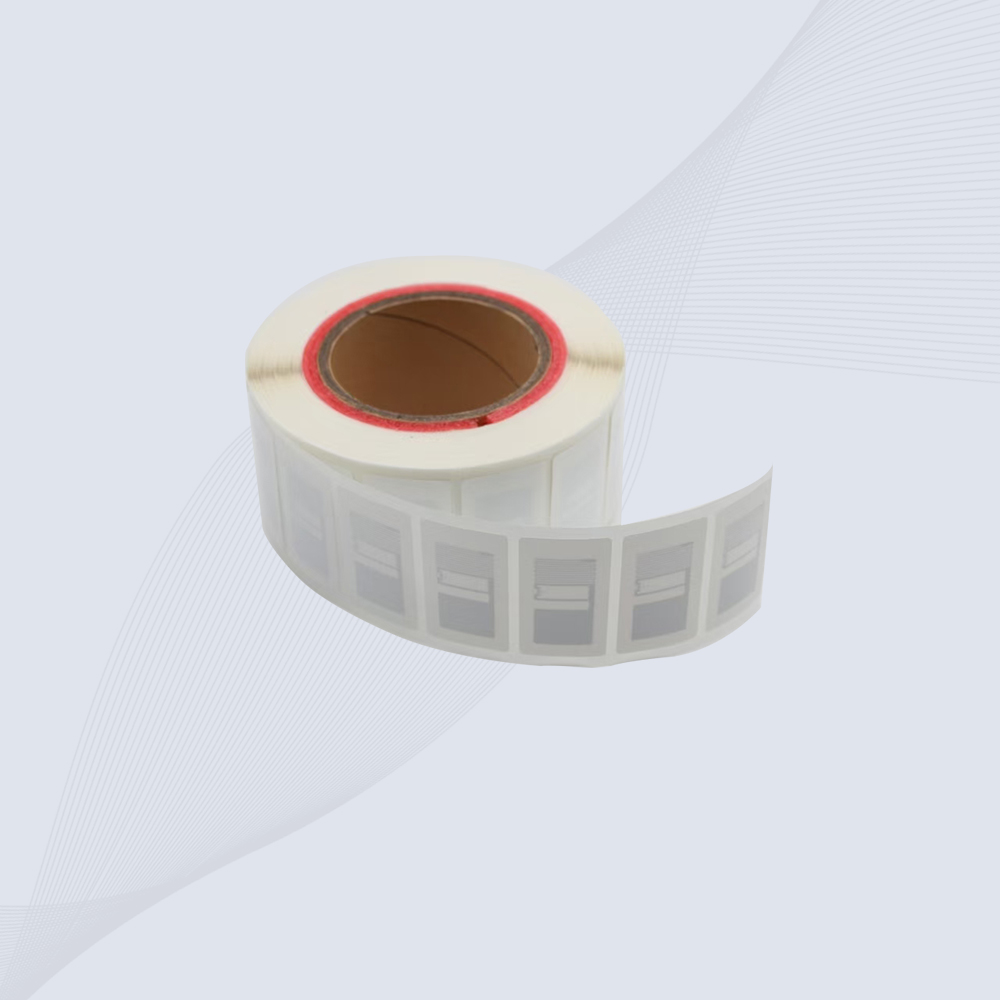
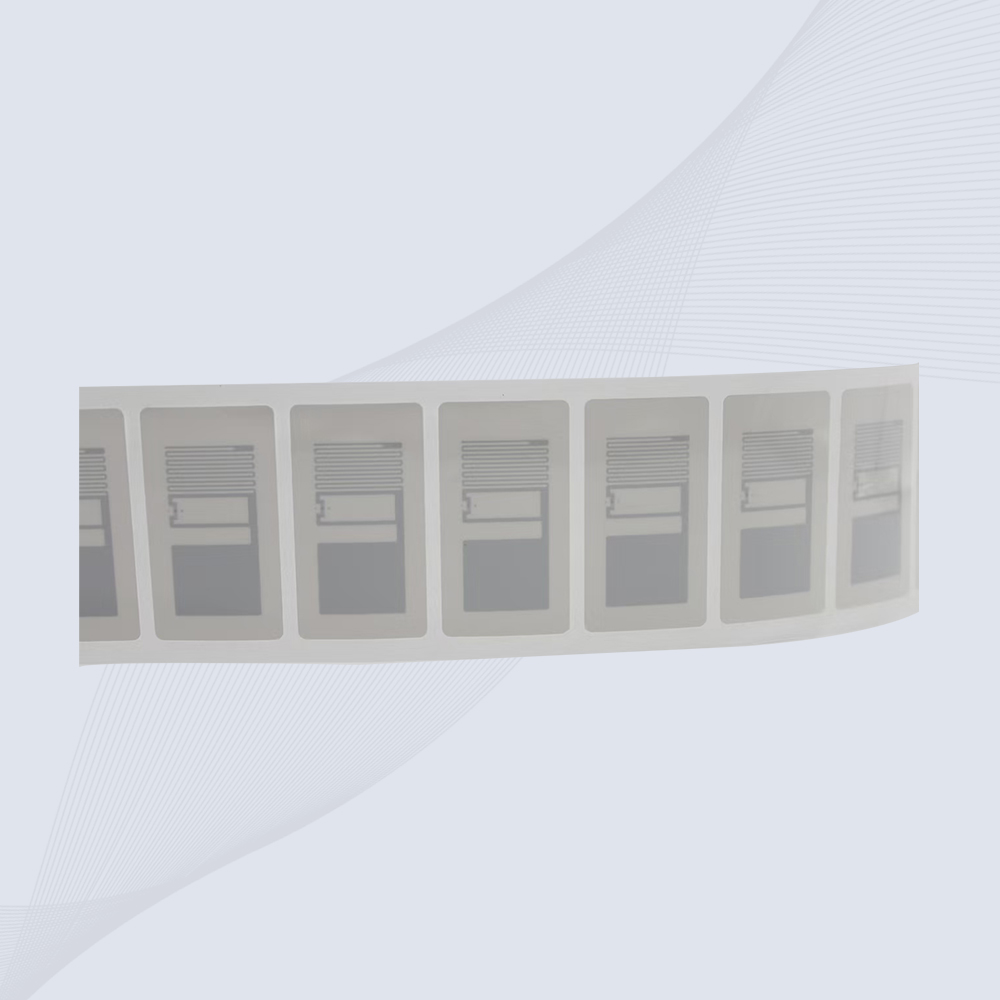
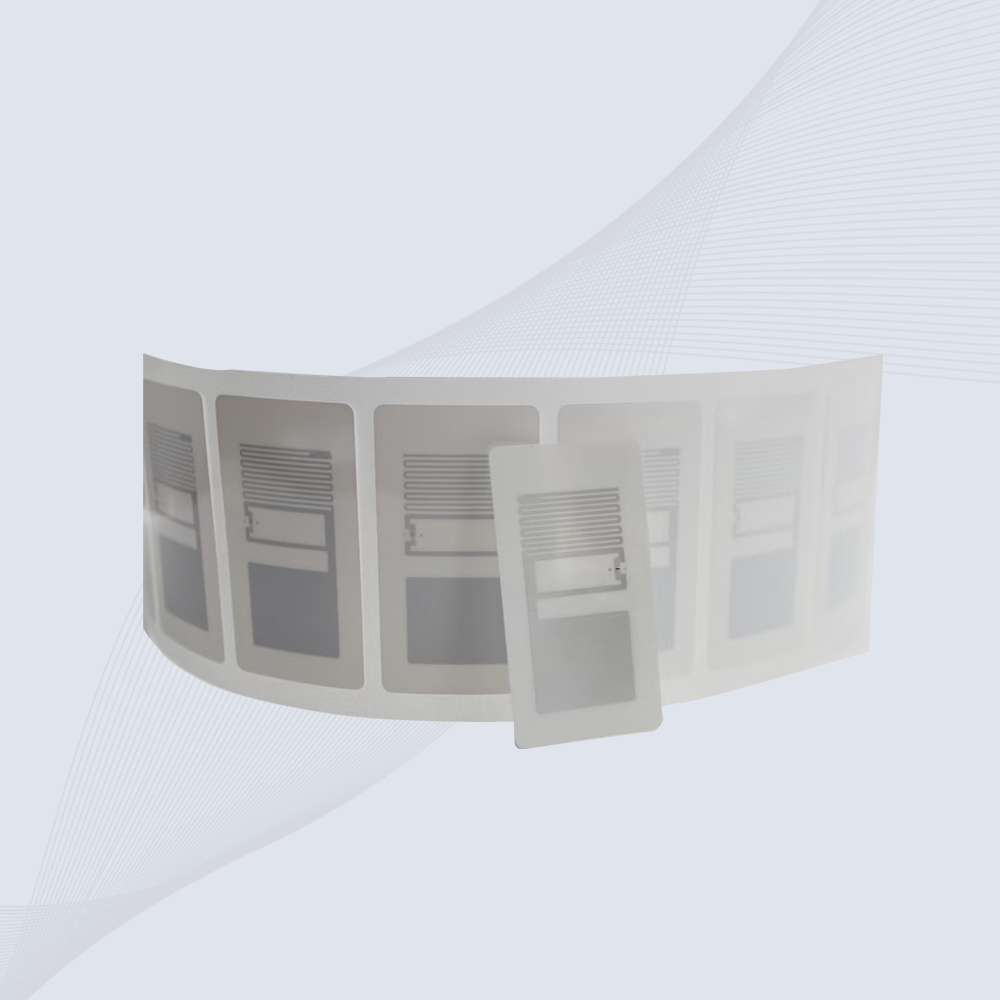
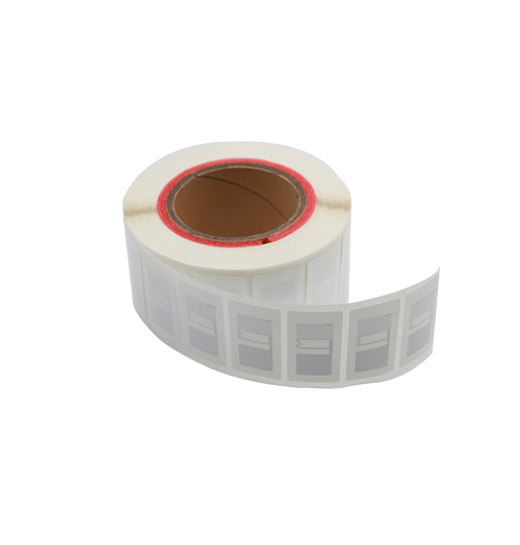
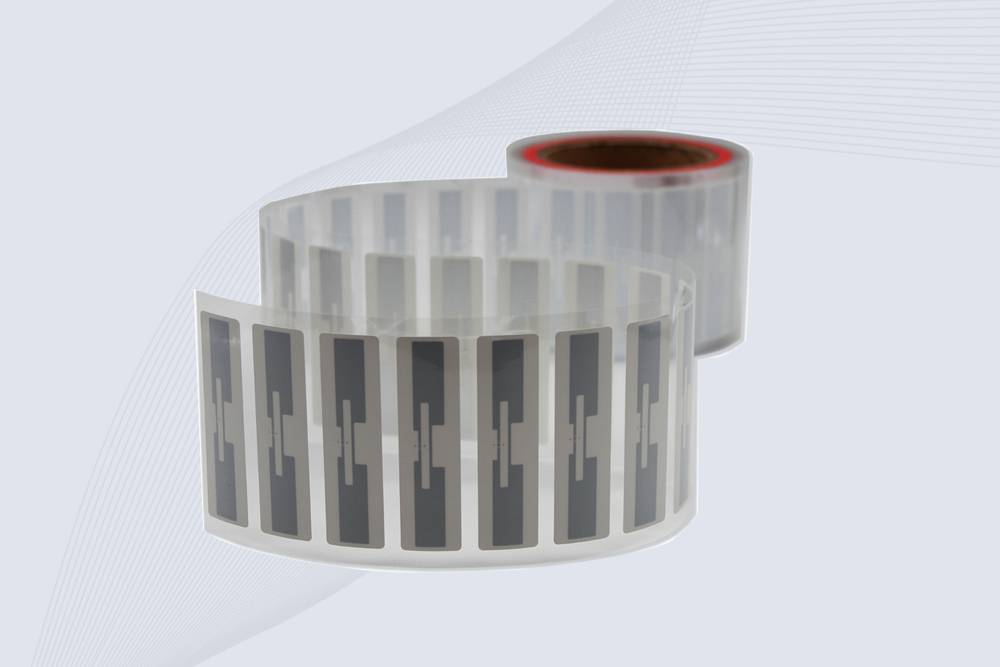
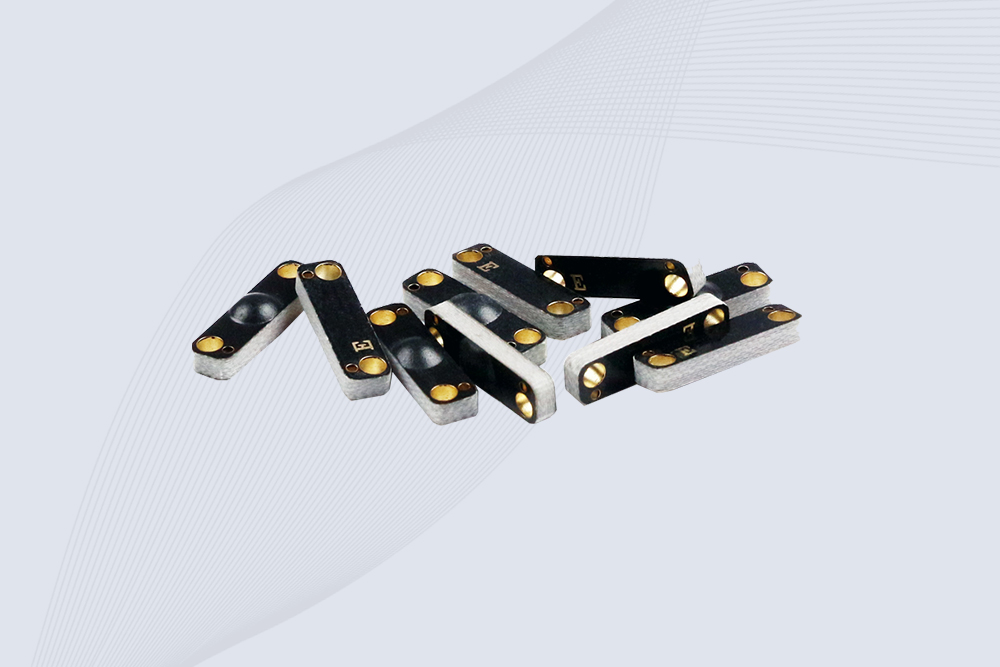
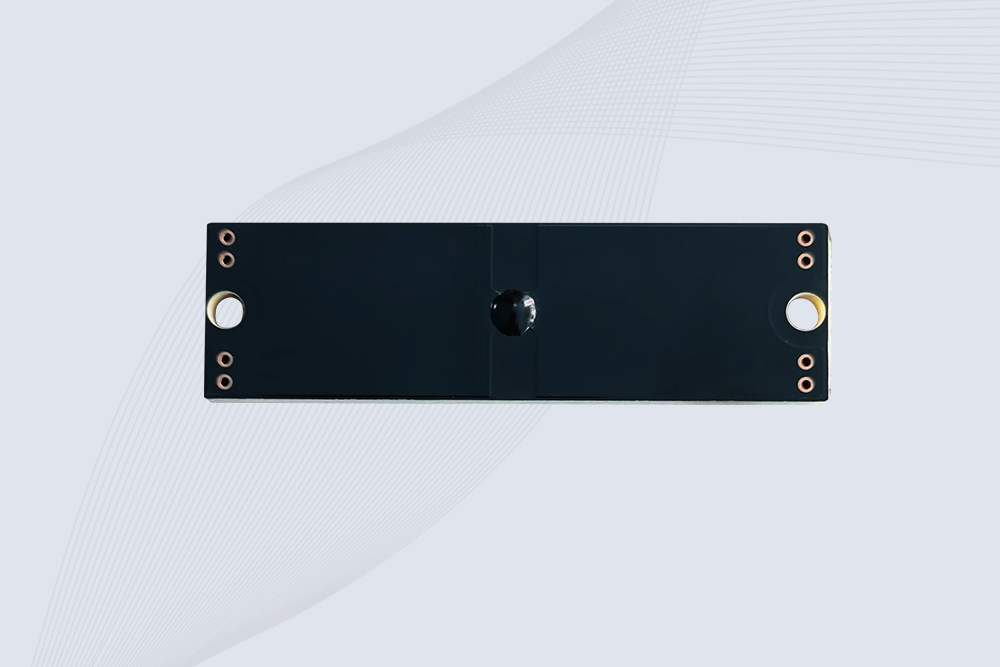
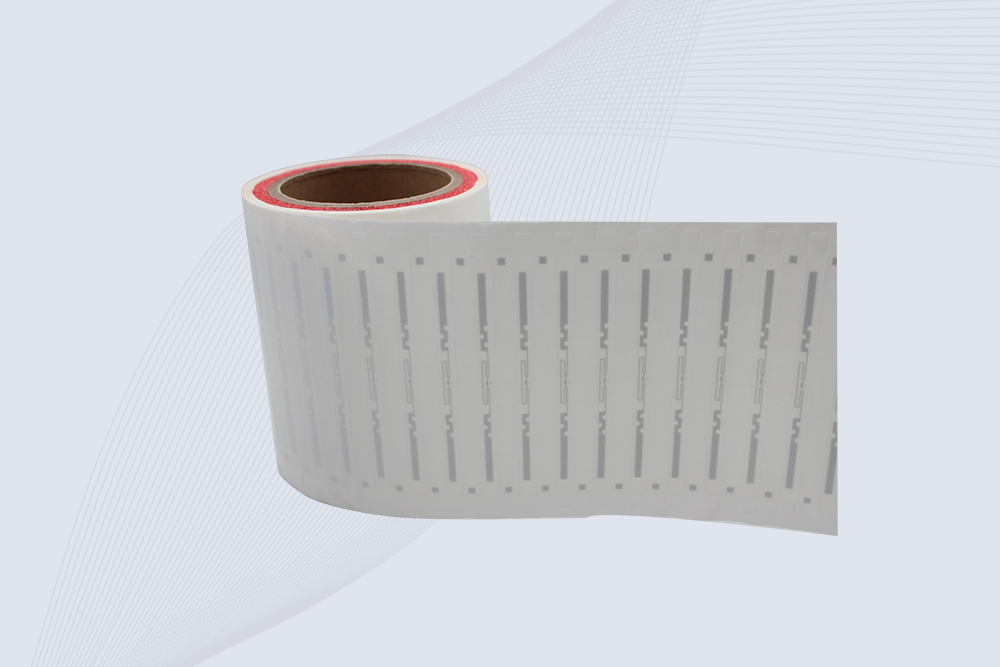
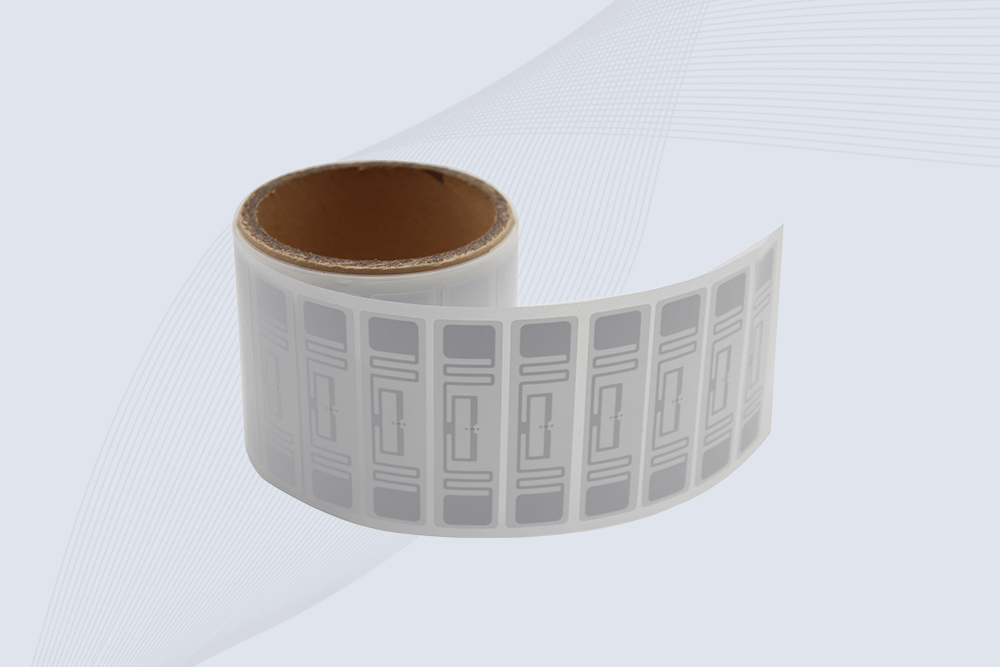
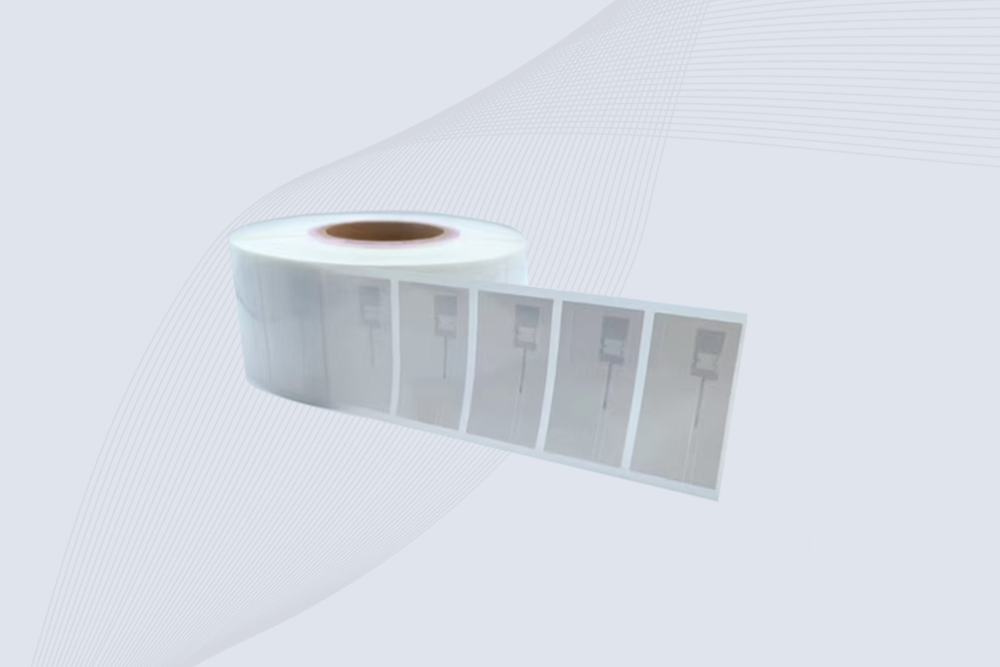
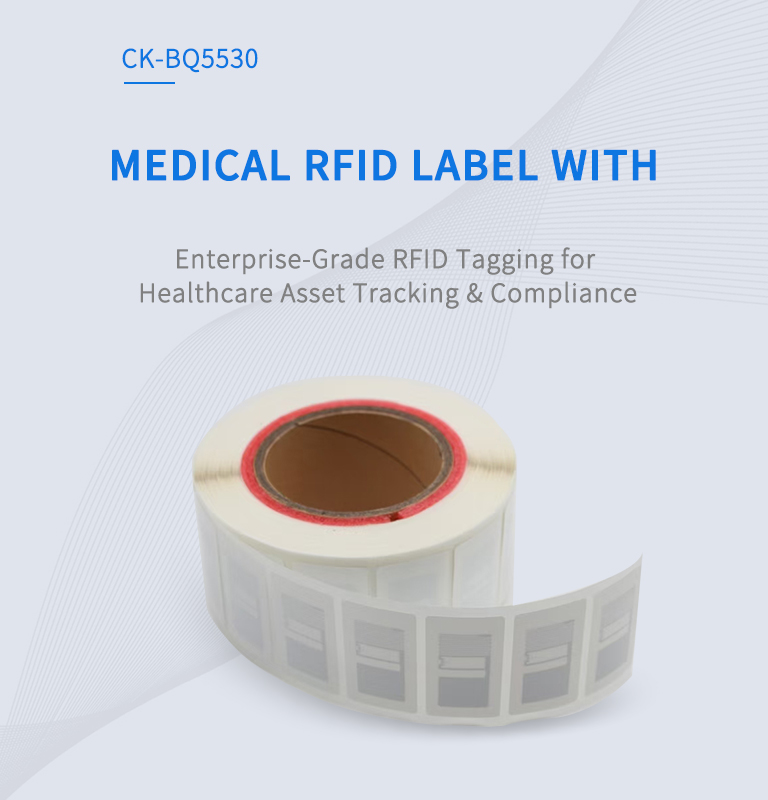
CK-BQ5530 autoclavable rfid tags is built for hospital environments where assets move fast and mistakes are expensive. Using an etched aluminum antenna with an NXP UCODE 9 chip, the RFID Tags in Hospitals stays readable after repeated sterilization and daily handling.
It delivers stable UHF performance across 840–960 MHz and reaches up to 8 m on metal under standard power settings. The PET construction keeps weight low while protecting the antenna during autoclave cycles and storage.
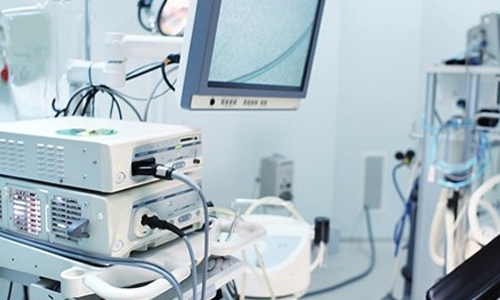
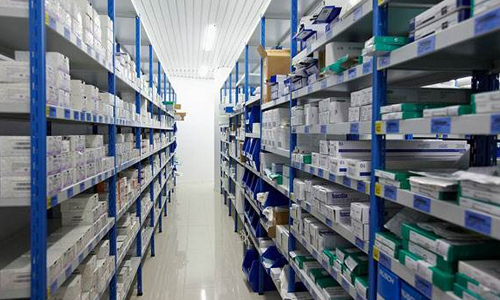
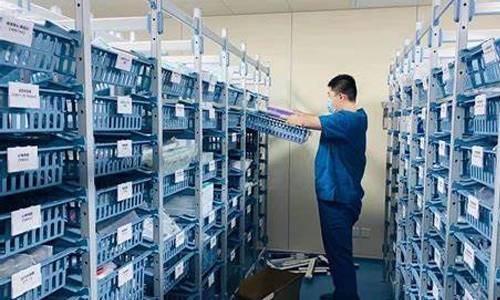
These Hospital RFID Tags are commonly used on surgical instruments, implant kits, medication trays, and mobile medical assets. From operating rooms to sterile processing departments, ICUs, and hospital pharmacies, CK-BQ5530 supports reliable rfid tags for medical devices without adding complexity to existing workflows.








Submit your requirements and valid contact details – Our engineers will deliver a custom solution within 24 hours.
Sterilization is treated as a normal condition, not an exception.
CK-BQ5530 uses PET encapsulation combined with medical-grade epoxy to protect the aluminum antenna and chip. The structure tolerates high temperature, pressure, and humidity without antenna drift. In real hospital use, tags remain readable after long sterilization cycles and frequent handling, which is critical for rfid tracking for surgical instruments that circulate daily.
Yes. These are passive UHF tags and generate no active electromagnetic emission.
Non-magnetic materials and controlled impedance design reduce the risk of interference. CK-BQ5530 has been deployed in cardiac units and imaging-adjacent areas as part of sterile asset tracking RFID systems, with no reported interaction issues. Standard hospital placement rules still apply, especially near implanted electronic devices.
Metal is expected, not avoided.
The antenna is tuned to work on stainless steel trays and dense instrument layouts. Frequency hopping helps maintain reads even when electrosurgical devices are running. In practice, hospitals use these Hospital RFID Tags to scan full trays in seconds instead of manual counts, improving turnover speed and reducing missing-instrument incidents during post-op checks.
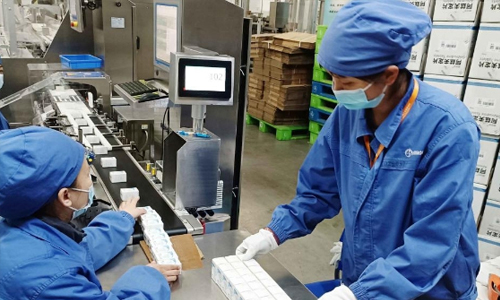
CYKEO develops RFID solutions for environments where precision and reliability are non-negotiable. From RFID tags in hospitals to industrial asset tracking and critical infrastructure, CYKEO supports healthcare providers with scalable, standards-based RFID systems that integrate cleanly into real operations—not just lab conditions.