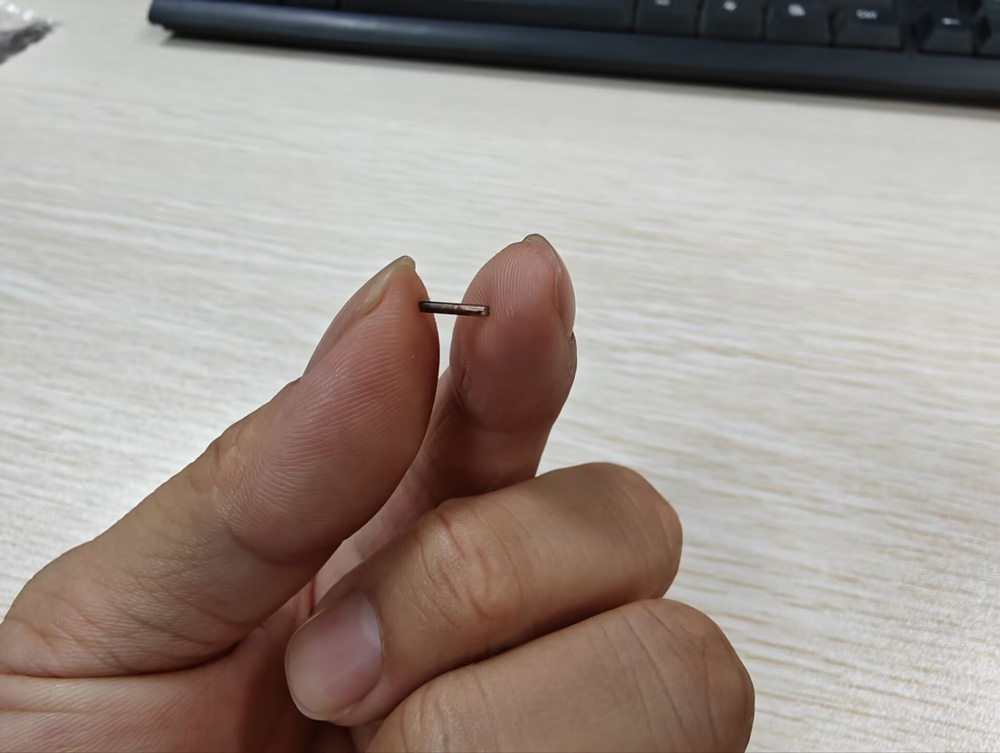
Bangkok will promote the management of dogs and cats by implanting RFID chips, with related regulations paving the way for full implementation in 2027.
According to the Thai government gazette website, on January 23, the Bangkok Metropolitan Government officially announced a set of regulations for dog and cat registration. Signed by Bangkok Mayor Chachakorn, the document clarifies the specific principles, procedures, and electronic processes for dog and cat registration, and applies to the entire Bangkok area.
This announcement is based on the Bangkok Metropolitan Government Animal Keeping and Control Ordinance 2024 and will take effect on January 24, 2026. It primarily aims to standardize the operational requirements for registration, providing a basis for the subsequent formal implementation of the ordinance.
I. Registered dogs and cats must have electronic chips implanted, and the identification standards must be uniform.
The announcement clarifies that all dogs and cats registered in Bangkok must have a permanent identification device implanted. The device used is an RFID (Radio Frequency Identification) microchip, which must have a unique 15-digit identification code and comply with ISO 11784 and ISO 11785 standards. It must also be certified by the International Committee on Animal Records to ensure the information can be read by common devices.
According to regulations, the chip must be implanted subcutaneously in the midline of the back between the dog’s and cat’s shoulder blades. The veterinary clinic performing the implantation must provide a certificate, which will serve as an important basis for registration and subsequent information management.
Bangkok requires dogs and cats to be implanted with ISO-standard RFID chips for official registration.
It’s worth noting that the uses of RFID chips in pet management extend beyond simply “identifying” pets. Besides finding lost pets, in some countries and regions, these chips are also used for vaccine management, tracing illegal pet ownership, and even assisting in evidence collection during law enforcement. More detailed analyses of some of the unconventional applications of RFID in pet management have been previously available; please refer to the article “The Bizarre Uses of RFID in Pet Management: You Think It’s Just for Location Tracking? Wrong!“
二、Chip implantation services are provided by various types of institutions.
Regarding service arrangements, Bangkok Metropolitan Government has not limited microchip implantation to a single channel. The announcement states that citizens can bring their dogs and cats to various veterinary clinics under the Public Health Veterinary Office of the Bangkok Metropolitan Government Department for the service.
In addition, legally licensed public or private animal medical institutions also provide microchip implantation services. Some government agencies, national educational institutions, the Thai Red Cross, and designated mobile veterinary service providers are also included in the service system to alleviate the problem of a limited number of fixed service points.
三、Registration can be completed online, but identity verification is required.
During the registration process, dog and cat owners can submit their documents at district government offices, Bangkok veterinary clinics, or designated locations of the Public Health Department. Simultaneously, the Bangkok Metropolitan Administration has implemented an electronic registration system, allowing registration to be completed online through a designated website.
During the registration process, applicants must complete identity verification using the ThaID application. This system, designed in accordance with the Electronic Transactions Act (2001), is used to store registration information and receive electronic documents.
四、Information changes must be reported promptly.
The announcement also states that if there are any changes to the dog or cat, or its ownership situation, the owner must report the updated information to the registration authority. This includes, but is not limited to, transfer of ownership, change of owner, change of residence address, loss or damage of microchip, or loss or death of the dog or cat.
Furthermore, if an uncontrolled dog or cat exhibits aggressive behavior or shows signs of aggression, it must also be reported as required so that relevant departments can be informed.
五、The regulations will officially take effect in 2027.
Shortly before the announcement, the Bangkok Metropolitan Council discussed the implementation date of the ordinance. At a council meeting on January 7th, Mayor Chachat proposed postponing the implementation of the Bangkok Animal Care and Control Ordinance 2024, originally scheduled to take effect on January 10th, 2026, by one year.
Chachat explained at the meeting that since the ordinance was published, Bangkok has implanted microchips in over 50,000 dogs and cats, compared to approximately 4,000 implanted in the previous year, showing a significant increase. However, with the rise in registrations, some implementation issues have gradually emerged.
The RFID microchip contains a unique 15-digit code readable by standard animal identification scanners.
Currently, the number of dogs and cats in Bangkok is estimated to be in the hundreds of thousands, and existing service resources are insufficient to cover the entire pet population. RFID chip implantation points are mainly concentrated in a few fixed locations, which is inconvenient for families with multiple pets. Some residents still have concerns about the security of the chips and legal liability. In addition, the requirement to provide consent documents from landlords or lessors during the registration process prevents some tenants from completing the registration.
Based on the above, the city government believes it is necessary to postpone the official implementation of the regulations to allow time for improving the relevant systems, expanding service channels, and evaluating and adjusting some operational requirements. The city council ultimately agreed to postpone the effective date of the regulations to January 10, 2027.
六、Registration work will continue during the transition period.
The Bangkok Metropolitan Administration stated in its announcement that the notice only pertains to the registration process and technical requirements, and does not signify that the regulations have been fully implemented. Before the regulations officially take effect, relevant departments will continue to advance the chip implantation and registration process, encouraging citizens to complete the necessary procedures in advance to prepare for the full implementation of the subsequent management system.
RFID signage system market sees a milestone as Laxcen Technology becomes the only Chinese company ranked in the global top ten for RFID competitiveness.
Vietnam has launched a national durian traceability pilot, introducing RFID and NFC technologies to build a standardized, compliant, and scalable digital foundation for agricultural products across production, processing, warehousing, and logistics.
RFID signage system market insights on how robotics, AMRs, and physical AI are reshaping automation strategies, ecosystem competition, and industry dynamics worldwide.
RFID smart laundry project launches in Changyang Cold Chain Logistics Park, bringing medical textile traceability, automated washing control, and smarter logistics services.
 Cykeo RFID IoT Solution Products R&D Manufacturer